
Opinion
HURIWA Condemns Political Violence, Demands Security Task Force Ahead of 2027 Elections


By George Mgbeleke
Popular civil society body, the Human Rights Writers Association of Nigeria (HURIWA) condemns the growing wave of political violence, attacks on campaign teams and alleged sponsorship of armed political thugs ahead of the 2027 general elections, warning that such acts threaten Nigeria’s democracy and electoral stability.
HURIWA in a statement signed by its national coordintor,Comrade Emmanuel Nnadozie Onwubiko, rejects the use of violence, intimidation and armed groups to disrupt political activities.
The association insists that every political party, candidate and supporter deserves protection and the freedom to participate in the electoral process without fear.
The Rights organisation HURIWA condemns the reported attack on Nigeria Democratic Congress (NDC) members in Enugu State, the assault on APC supporters travelling to a campaign event in Katsina State, and the disruption of Governor Alex Otti’s re-election campaign inauguration in Abia State.
In Enugu, suspected armed political thugs reportedly attacked an NDC ward meeting in Obuofia, Nkanu West Local Government Area, leaving several party members injured.
The NDC identified eight members who it said sustained gunshot injuries during the attack.
The Enugu State Police Command also confirmed that armed hoodlums disrupted the meeting and injured attendees.
HURIWA condemns the attack and demands a thorough investigation, the arrest of those responsible and their prosecution in accordance with the law.
The association maintains that political meetings and peaceful association constitute fundamental rights that security agencies must protect, regardless of party affiliation.
HURIWA also condemns the reported attack on APC supporters in Malumfashi Local Government Area of Katsina State as they travelled to Funtua for the flag-off of Governor Dikko Radda’s re-election campaign.
Suspected hoodlums reportedly hurled stones and other objects at vehicles conveying the supporters, shattering windscreens and windows and leaving some people with minor injuries.
HURIWA demands that the police identify the attackers, establish their motives and political affiliations through credible investigations, and bring anyone found culpable to justice.
The association condemns the disruption of Governor Alex Otti’s re-election campaign inauguration at Umuahia Township Stadium in Abia State, where competing political groups reportedly caused disorder during the proceedings, including a church service.
HURIWA warns political parties and their supporters against turning campaign grounds into arenas of violence, intimidation and disorder. The association insists that political loyalty must never override respect for human life, public order and democratic freedoms.
HURIWA equally condemns the reported assault on human rights activist and African Action Congress presidential aspirant, Omoyele Sowore, and members of his team in Ado-Ekiti, Ekiti State.
Sowore alleges that a mobile phone stolen during the attack has been traced to the Ekiti State Governor’s Lodge.
He has demanded that the police and the Department of State Services release CCTV footage from Tawakalitu Restaurant, where the incident reportedly occurred.
HURIWA demands a transparent, impartial and comprehensive investigation into the attack. The association urges the police and DSS to establish the whereabouts of the phone, examine relevant evidence and identify everyone responsible for the assault.
HURIWA cautions against treating allegations against named individuals as established facts without credible evidence.
The association insists that investigators must pursue the case professionally and hold accountable anyone whose involvement they establish.
HURIWA Demands Joint Security Task Force
HURIWA calls on the National Security Adviser to establish a joint security task force to protect political parties, candidates, campaign officials, supporters and other participants in the 2027 electoral process.
The association demands a task force comprising professional, patriotic and non-partisan security personnel capable of preventing attacks, responding swiftly to threats and securing political activities across the country.
HURIWA urges the police, DSS and other relevant security agencies to introduce a coordinated security framework for campaign rallies, ward meetings, campaign tours and other political engagements.
The association demands stronger intelligence gathering, effective early-warning mechanisms and prompt investigations into politically motivated violence. HURIWA also calls for the prosecution of anyone found to have sponsored, financed, armed or coordinated political attacks, regardless of political status or connections.
HURIWA Warns Against Escalating Political Violence
HURIWA warns that the failure of security agencies to confront political violence could embolden armed groups, deepen political intolerance and undermine public confidence in the 2027 elections.
The association demands immediate preventive action rather than a reactive response after attacks have occurred. HURIWA insists that every political party and candidate must enjoy equal protection under the law.
HURIWA also urges political parties to discipline violent supporters, reject the use of armed thugs and cooperate with security agencies to identify perpetrators.
The association stresses that credible elections require more than transparent voting and accurate results. HURIWA says the electoral process must guarantee the freedom of political parties to organise, mobilise supporters and campaign without threats to their lives.
HURIWA warns that Nigeria must not allow political thuggery, armed intimidation and organised violence to overwhelm democratic institutions.
HURIWA demands that security agencies wake up to their constitutional responsibilities before organised armed groups and anti-democratic elements exploit their failure to enforce the law. The association insists that every Nigerian must enjoy the freedom to participate in politics without fear of assault, intimidation or death.
HURIWA calls on the Federal Government, security agencies, political parties and civil society organisations to work together to guarantee peaceful political competition, accountability and respect for democratic freedoms ahead of the 2027 general elections.

By Festus Daumiebi Sunday
The recent unguarded statements by Mr. George Turnah MON against the person of Governor of Bayelsa State is totally dishonourable and condemnable.
It is not only bad that Turnah MON has made disparaging His Excellency Sen. Douye Diri, the symbol of Bayelsa State his Stock-in-trade but it is worst when he carries on with a swagger as though he is doing the work of God.
For persons outside Bayelsa State, George Turnah is the factional State Chairman of the PDP in Bayelsa State which party the PDP is completely dead in Bayelsa State.
It is instructive to let you know that as of today, 29th October, 2026, in terms of membership, in terms of quality, in terms of structure and in terms of grassroots appeal, only one party, the All Progressives Congress is on ground in Bayelsa State while all others exist only in name and on the social media. More than that, the voters are with the APC as Bayelsans are happy with the Prosperity Assured Administration of Sen. Douye Diri. Thus, your claim that the APC in Bayelsa State needs the coliation of your under the radar party to deliver His Excellency, President Bola Ahmed Tinubu is presumptuousness taking too far.
In my candid but firm opinion, such online political party, the factional PDP should save its supposed political strength to deliver its candidates for the various National Assembly and State Assembly Seats at the polls, as the Factional PDP has no presidential candidate.
Let no one be deceived, in Bayelsa State, you are either a member of the APC, or you have the APC to contend with at the polls. No other political party would be able to poll 15% of the total votes on the election day in Bayelsa State as the Renewed Prosperity Administration of Sen. Douye Diri is not commissioning audio projects, as Bayelsans witnessed in the recent past.
His Excellency, Sen. Douye Diri has done Excellently well, and have outperformed every other Governor that governed our state in our recent history, and that has earned him the confidence of Bayelsa State voters.
Politics should be played with decency, and campaigns should be issue based, not destructive contrivances in the hope to embarrass the State and place stain on the good name of the Governor.
I was the APC Bayelsa Central Senatorial District Candidate that contested against the His Excellency Senator Douye Diri in the 2019 General Election, it was a keenly contested election preceded by issue based campaigns and was done without insults on persons. I challenge anyone who can come up with evidence of statements credited to me where I insulted my then oppenent who is the current Governor of Bayelsa State.
I was also a principal actor in the Bayelsa State APC in the 2020 Governorship Election against the incumbent Governor of Bayelsa State and in all my public and private communications and campaigns, I did not ever insult the person of His Excellency Senator Douye Diri.
That is how politics should be played.
The citizens and inhabitants of Bayelsa State will recall that a seating Governor of Bayelsa State, once described the six years presidency of Bayelsa and Niger Delta’s pride, His Excellency Dr. Goodluck Jonathan’s as “wasted six years”: and Bayelsans stood to the occasion unanimously and vehemently condemned the statement.
I respectfully call on all well meaning Bayelsans to call Mr. George Turnah MON to order.
I know the respectful and courteous disposition of the people of Ogbia LGA where Mr. George Turnah MON hails from. We have leaders in Ogbia that has the capacity to call Mr. George Turnah MON to order. The big question is why are they not doing it?
Be it known that nobody has monopoly of insulting leaders without any provocation. People are only exhibiting good home training by showing restraint as responsible persons.
There is nothing wrong craving the headlines, but everything is bad insulting and concoting charges in the media against the Governor of your State and someone more than old enough to be your father in the name of politics. We are Ijaw people. Culture forbids it, nature abhors it
even in the face of provocation.
Throughout Bayelsa State and beyond , Governor Douye Diri is known for his unrelenting peaceful disposition, advocating for peace, making peace, building peace and maintaining peace in Bayelsa State. No Governor has demonstrated and shown the high level of an exemplar of peace in Bayelsa State.
I urge Turnah MON not to take the Governor’s peaceful disposition for granted.
In this same Bayelsa State we have had terrible leaders that you dare not speak against on national Televisions programmes and go scot-free.
Mr. George Turnah MON should desist, forthwith, the unprovoked attack on the person of the Governor, and centre his campaign on issues that he must be able to substantiate, if the need arises.
Mr. George Turnah MON knows that Rainbow Coalition has no place in Bayelsa State as coalition may only work in politically conquered territories which Bayelsa State can never be.
It is this knowledge of the fact that Rainbow Coalition has no hold in Bayelsa State that is making him George Turnah to apply this unholy, dishonourable and ethically bankrupt approach of resorting to insulting the person of the Governor of Bayelsa State to please his paymasters at the expense of decency, respect for elder and decorum.
The point should also be made that every man is helped one way or the other by another man. Those who are claiming to have made the Governor of Bayelsa State who he is today should know that others or another also made them who they are. In all fairness , at the level of a Governor, it is not reasonable to expect a sitting Governor to always do the bidding of those who helped him to power. So where the Governor of Bayelsa took the decision to come to APC which decision did not go down well with those that helped him to power should not be an eternal crime. In the current reality, Governor Douye Diri’s decision to leave the PDP for APC is the best decision and is clearly because even those that claim to have made him who condemned the decision also justified the decision by their leaving the PDP.
Be that as it may, we have leaders in every Senatorial District of the State. Beyond being the Governor of Bayelsa State, His Excellency Sen. Douye Diri is a leader of a Pillar “the Bayelsa Central” Senatorial District of the State, and must be respected.
A word is enough for the wise
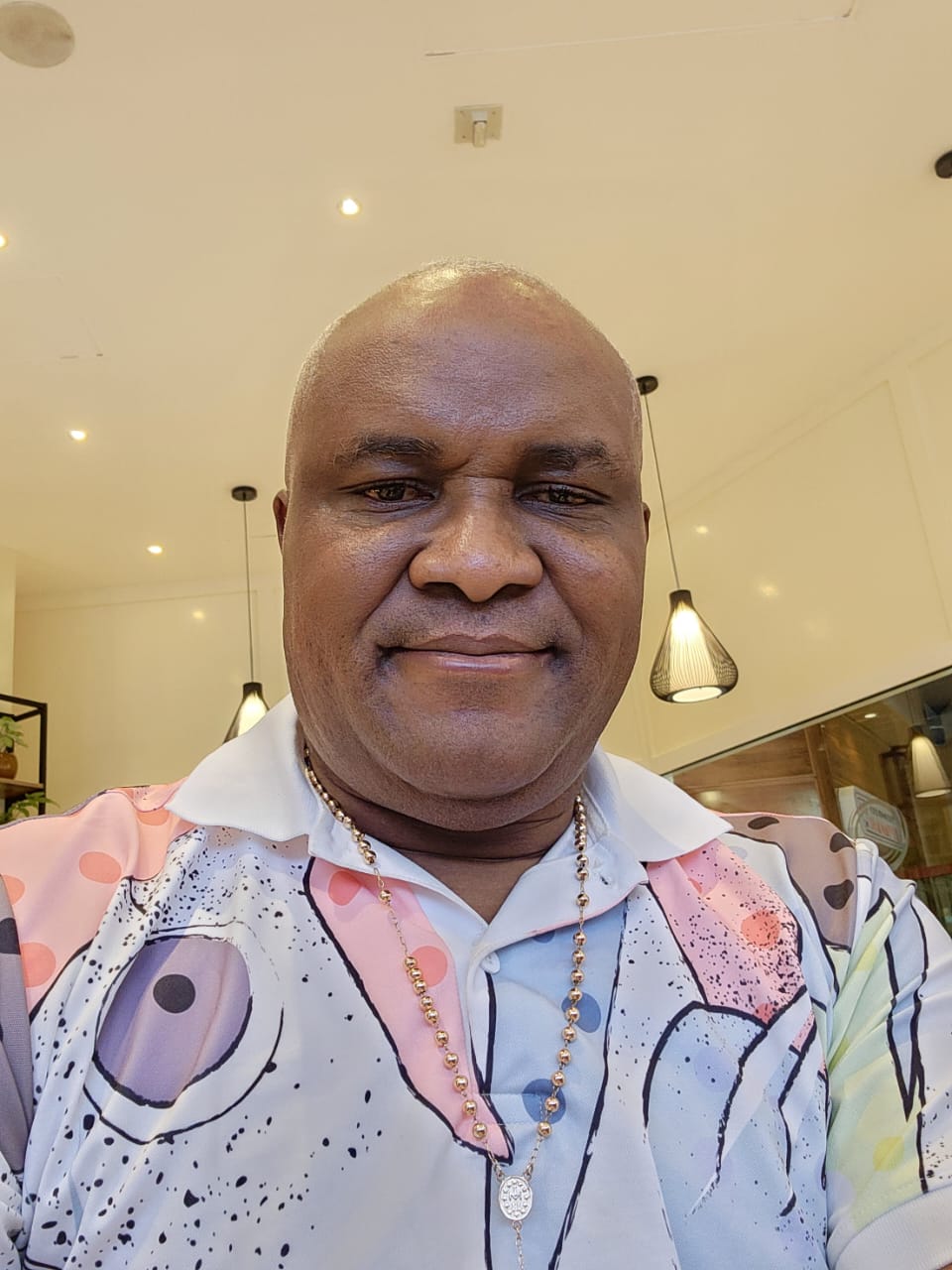
By Emmanuel Nnadozie Onwubiko
Nigeria is facing a public-health emergency that demands urgent, coordinated and decisive action. The widespread circulation of falsified, counterfeit, adulterated and substandard medicines, food products, alcoholic beverages and other regulated goods poses a grave threat to the lives and well-being of millions of citizens.
Anyone who actively follows social media discussions in Nigeria will have noticed growing public concern about the proliferation of these dangerous products and questions surrounding the effectiveness of the National Agency for Food and Drug Administration and Control (NAFDAC), the statutory institution responsible for regulating food, medicines and other products under its mandate.
If a properly designed, transparent and representative public-opinion survey were conducted to assess Nigerians’ confidence in NAFDAC’s performance, the results would provide valuable insights into the public’s perception of the agency. Although it would be premature to assert that more than 90 per cent of Nigerians believe the agency has failed without reliable survey evidence, the intensity of public concern is unmistakable.
One troubling indicator is the frequency of reports announcing arrests, raids and seizures involving suspected manufacturers, importers, distributors and sellers of counterfeit products. These enforcement operations demonstrate that NAFDAC is taking action against offenders. However, they also raise a fundamental question: why do these criminal networks continue to operate on such a scale, despite repeated interventions by the regulator?
The irony is that, while some Nigerians accuse the agency’s current leadership of failing to contain the menace, NAFDAC continues to announce significant enforcement successes. The problem, therefore, cannot be assessed solely by counting arrests or measuring the monetary value of seized goods. The more important questions are whether these operations are preventing dangerous products from reaching consumers, dismantling the networks responsible for their production and distribution, and producing a sustained reduction in the availability of falsified and substandard products.
Many Nigerians remember the public-health advocacy associated with the late Professor Dora Akunyili, whose leadership of NAFDAC became a defining period in the national campaign against counterfeit medicines. Her legacy continues to shape public expectations of the agency.
What Nigerians require today is a comparable sense of urgency, institutional courage and preventive action. The country needs a regulatory system capable of identifying and disrupting illegal manufacturing and distribution networks before their products reach pharmacies, markets, shops and households.
The objective must be prevention, not merely the seizure of dangerous products after they have entered circulation.
The rural challenge and the limits of enforcement
NAFDAC cannot effectively combat this crisis through market raids alone. Nigeria has a vast geographical area, a large population and an extensive network of formal and informal trading locations. These circumstances make comprehensive surveillance difficult, particularly where staffing, transport, laboratory capacity and funding are inadequate.
The geographical distribution of Nigeria’s population further complicates enforcement. Figures attributed to the World Bank and reported by Trading Economics indicate that Nigeria’s rural population accounted for approximately 44.97 per cent of the total population in 2024.
This proportion underscores the importance of extending regulatory oversight beyond major cities and commercial centres. Rural communities must not become neglected markets where dangerous products can circulate because regulatory personnel and resources are insufficient.
However, rural residence alone does not establish that consumers are more likely to encounter counterfeit medicines. Demonstrating such a disparity would require reliable market-surveillance data. Nevertheless, the difficulty of monitoring a country of Nigeria’s size makes a strong case for decentralised surveillance, better intelligence gathering and closer collaboration with state and local authorities.
NAFDAC must therefore combine its enforcement operations with preventive strategies, including inspections of manufacturing facilities, tighter oversight of importation, improved supply-chain traceability, stronger border controls and systematic monitoring of wholesalers and retailers.
The agency should also publish regular, accessible reports identifying the geographical distribution of enforcement operations, the products seized, the outcomes of prosecutions and the measures taken to prevent repeat offences. Such transparency would enable Nigerians to evaluate progress using measurable evidence rather than competing assertions.
What NAFDAC says it is doing
NAFDAC has outlined several initiatives intended to improve the quality and safety of medicines and other regulated products. These measures deserve examination because the effectiveness of the national response depends partly on the agency’s regulatory capacity, the implementation of its policies and the resources available to its personnel.
1. Regulation of active pharmaceutical ingredients
According to information attributed to NAFDAC, the agency began enforcing controls on active pharmaceutical ingredients (APIs) in 2019. These ingredients are the substances responsible for the therapeutic effects of medicines.
The reported measures include requiring drug master files containing information about the manufacturing processes, quality and safety of pharmaceutical ingredients. The agency also stated that requirements were being introduced for the identification and testing of active ingredients in imported and locally manufactured medicines.
Such controls are essential because the quality of a finished medicine depends significantly on the quality of its ingredients and the conditions under which it is manufactured.
NAFDAC has also reportedly encouraged local pharmaceutical innovation by offering five-year market exclusivity to qualifying innovative companies capable of meeting domestic demand. The precise scope and current status of this policy should be confirmed against the applicable regulatory guidelines.
2. Pre-shipment controls and product registration
NAFDAC has also described pre-shipment provisional registration measures intended to ensure that products entering Nigeria meet the required standards.
Pre-shipment controls can help identify unsafe or non-compliant goods before they enter the country. However, they must operate alongside effective post-shipment inspections, market surveillance and traceability mechanisms.
A product’s registration should never be treated as a permanent guarantee of quality. Manufacturers can change production practices, supply chains can be compromised, and counterfeiters can imitate the packaging and registration details of legitimate products.
The regulator must therefore ensure that compliance is monitored throughout a product’s lifecycle.
3. Deployment of testing and authentication technologies
NAFDAC has reported using technological tools to identify suspected substandard and falsified medicines. These include:
– TruScan Raman spectroscopy equipment;
– Global Pharma Health Fund (GPHF) Minilab testing kits; and
– Mobile Authentication Service (MAS) technology.
These tools can strengthen field inspections and help identify suspicious products. Nevertheless, their effectiveness depends on the availability of equipment, trained personnel, reliable testing procedures and access to properly equipped laboratories.
Rapid field tests are not a substitute for comprehensive laboratory analysis where more detailed examination is required. NAFDAC must ensure that suspicious products are subjected to appropriate confirmatory testing and that the results inform enforcement decisions.
4. Laboratory capacity and quality assurance
The agency has reported operating four laboratories with ISO/IEC 17025 accreditation for testing medicines, vaccines, diagnostic test kits and other biological products.
Laboratory accreditation is important because it provides assurance that testing is conducted under recognised quality-management and technical-competence requirements. The current accreditation status and precise scope of each laboratory should, however, be confirmed from the relevant accreditation records.
NAFDAC has also described measures to strengthen the assessment of products imported from countries including China and India. These reportedly include reviewing the qualifications of Clean Report of Inspection and Analysis agents and laboratories, as well as combining pre-shipment testing with post-shipment assessments.
Such measures are particularly important in a country that depends substantially on imported pharmaceutical products.
5. Surveillance studies and reported failure rates
Historical studies cited by NAFDAC provide some indication of the agency’s efforts to assess medicine quality.
A study conducted in 2005 in collaboration with the World Health Organization (WHO) and the United Kingdom’s Department for International Development reportedly found a counterfeit-medicine prevalence of 16.7 per cent, compared with 40 per cent in 2001.
Between 2010 and 2012, NAFDAC reportedly used TruScan equipment to assess 5,790 samples of antibiotics, antimalarials and antidiabetic medicines. The reported failure rate was 6.4 per cent.
Further studies of antimalarial medicines, conducted with Nigerian public-health programmes and the United States Pharmacopeia, reportedly recorded failure rates of 3.6 per cent among 800 samples in 2015 and 4.3 per cent among 900 samples in 2016. Subsequent rounds involving 897, 741 and 907 samples reportedly recorded failure rates below 2 per cent.
These findings should be interpreted cautiously. Different studies may use different sampling methods, locations, product categories and definitions of failure. A reduction in the failure rate of sampled products does not automatically establish a corresponding reduction in the overall prevalence of counterfeit medicines throughout Nigeria.
The important lesson is that surveillance must be continuous, representative and publicly reported. Nigerians need current evidence showing where the greatest risks exist and whether regulatory interventions are delivering sustained improvements.
6. Post-market surveillance and international cooperation
NAFDAC has also identified expanded post-market surveillance as a priority. The objective is to ensure that registered products continue to meet quality standards and to identify unregistered or falsified products circulating in the market.
The agency has reportedly considered strengthening cross-border cooperation with neighbouring countries to improve surveillance and reduce the movement of substandard and falsified products.
Such cooperation is essential because illegal pharmaceutical networks can operate across national borders. Information sharing, coordinated inspections and intelligence-led investigations can make it more difficult for offenders to exploit weaknesses in individual countries’ regulatory systems.
NAFDAC has also acknowledged resource constraints, including insufficient vehicles and personnel. These limitations should be addressed through appropriate budgetary allocations, improved logistics and cooperation with relevant government institutions.
Finally, the agency advises Nigerians to avoid purchasing medicines from unreliable online sellers, check product registration details and expiry dates, examine packaging for suspicious differences and report suspected falsified products to the nearest NAFDAC office.
These recommendations are useful, but consumer vigilance cannot substitute for effective regulation. The primary responsibility for preventing illegal production and distribution must remain with the relevant authorities and the businesses legally responsible for the products they manufacture, import or sell.
Recent enforcement operations expose the scale of the challenge
NAFDAC’s reported enforcement activities illustrate the continuing challenge of detecting and disrupting suspected counterfeit-product networks.
Suspected counterfeit alcoholic beverages in Lagos
In a reported operation at a residential property at 322B Meiran Road, Agbado, Oke Odo, Lagos State, NAFDAC officials reportedly discovered more than 100 sacks of empty alcoholic-beverage bottles suspected of being intended for reuse in the production of counterfeit drinks.
According to an account attributed to the agency, the bottles were stored in a secluded residential location and were discovered following intelligence received by enforcement personnel.
The agency’s Assistant Director in its Investigation and Enforcement Directorate, Kunle Ojo, reportedly explained that the bottles included containers associated with different alcoholic-beverage brands. Officials alleged that the bottles were being washed and supplied to suspected counterfeiters for reuse.
NAFDAC said the bottles were destroyed to prevent their reuse in illegal production.
The discovery raises serious questions about the supply chains supporting counterfeit alcoholic beverages. Reusing branded bottles can make it easier for unscrupulous operators to disguise products of unknown origin and quality as genuine commercial brands.
However, the discovery of empty bottles alone does not establish that every bottle was used in counterfeit production. The purpose of the operation, the evidence collected and any subsequent prosecutions should be reported accurately.
The agency also reportedly urged residents to notify its offices when they observe suspicious activities in their communities.
Suspected counterfeit production at a Lagos trade fair complex
In another reported operation, NAFDAC announced that it had uncovered a suspected counterfeit-production facility at Zamfara Plaza within the BBA Trade Fair Complex in Lagos State.
The agency reportedly arrested two suspects who were allegedly involved in relabelling or revalidating energy drinks and popular wine and whisky brands.
The operation was reported in October, although the precise date and circumstances should be confirmed against NAFDAC’s original announcement.
The allegations demonstrate the importance of inspecting informal storage facilities and trading locations where products may be repackaged, relabelled or otherwise manipulated outside authorised supply chains.
Nevertheless, allegations against arrested suspects must be distinguished from proven criminal conduct. Any prosecution and subsequent judicial findings should be reported as they become available.
Seizure of suspected counterfeit and unregistered medicines
NAFDAC has also reportedly uncovered warehouses in an uncompleted building in Apapa, Lagos, containing banned, suspected counterfeit and unregistered medicines valued at more than ₦3 billion.
The reported discovery included injectable antimalarial products, antibiotics, sachet medicines and blister-packed drugs, alongside perfumes, body oils and cooking oils.
The agency reportedly seized and evacuated the products to prevent their distribution.
If confirmed by official seizure records, the operation would demonstrate the potential scale of the challenge confronting regulators. The presence of medicines alongside other consumer products also reinforces the need for inspections that cover the full range of goods within NAFDAC’s regulatory mandate.
Yet the monetary value of seized products, although significant, is not by itself a reliable measure of the public-health impact of an operation. Nigerians also need information about the quantities recovered, the origins of the products, the distribution networks involved, the results of laboratory tests and the outcomes of investigations and prosecutions.
Repeated discoveries of suspected counterfeit products should prompt authorities to investigate the networks behind them rather than merely remove individual consignments from circulation.
The human cost of falsified medicines
The consequences of substandard and falsified medicines extend far beyond financial losses to manufacturers or regulatory agencies. They can result in treatment failure, prolonged illness, antimicrobial resistance, disability and preventable deaths.
The WHO has warned that substandard and falsified medical products represent a serious global public-health problem. Its widely cited estimate is that approximately one in ten medical products in low- and middle-income countries is substandard or falsified.
That estimate is a broad global indicator, not a finding that one in ten medicines sold in every country is necessarily counterfeit. Nevertheless, it demonstrates the scale of the risk and the importance of effective medicine-quality controls.
The economic consequences are also substantial. The WHO has cited an estimated annual cost of approximately US$30.5 billion associated with substandard and falsified medical products in low- and middle-income countries.
The effects can be particularly devastating in countries where infectious diseases remain significant causes of illness and death. Medicines that fail to contain the correct active ingredients or contain inadequate quantities of them can undermine treatment, delay recovery and contribute to drug resistance.
Figures attributed to the United Nations Office on Drugs and Crime have also highlighted the potential mortality burden associated with counterfeit and substandard medicines in sub-Saharan Africa. Estimates cited in public discussions include hundreds of thousands of deaths annually, with malaria and pneumonia treatments accounting for substantial portions of the reported burden.
Such figures require careful attribution and verification because mortality estimates vary according to the products examined, the diseases included, the methodology used and the period covered. They should not be presented as definitive counts of deaths directly confirmed to have resulted from counterfeit medicines.
Nigeria must nevertheless take the danger seriously. Where malaria, bacterial infections and other treatable illnesses remain major public-health concerns, unreliable medicines can undermine the work of health professionals and place vulnerable patients at additional risk.
The financial implications are equally troubling. Treating patients whose original illnesses have been aggravated by ineffective or contaminated medicines places additional pressure on households, hospitals and public-health budgets.
The danger is compounded by the complexity of pharmaceutical supply chains. Nigeria imports medicines and pharmaceutical ingredients from several countries while also relying on domestic manufacturers and distributors. Neither imported nor locally manufactured products should be presumed unsafe merely because of their origin. Every product must be assessed according to verifiable quality standards, and every manufacturer or supplier must be held accountable for compliance.
NAFDAC must therefore strengthen oversight of imported medicines while ensuring that local manufacturers operate under rigorous quality-control requirements.
Open drug markets: a structural problem requiring decisive reform
One of the most difficult challenges is the continued availability of medicines through poorly regulated or inadequately supervised trading networks.
In an article published in The Lancet concerning the circulation of counterfeit medicines in Nigeria, Omotayo Fatikun highlighted the role of open drug markets in the distribution of medicines outside adequately controlled supply chains.
The argument is that medicines sold through informal markets can enter the supply chains of pharmacies, hospitals, wholesalers and retailers, making it harder to establish the provenance and quality of individual products.
This is a serious regulatory concern. However, the existence of an open drug market does not automatically mean that every medicine sold there is counterfeit or substandard. Reform must distinguish between legitimate traders who comply with applicable requirements and operators who manufacture, import, distribute or sell unlawful products.
The appropriate response is to establish a system in which pharmaceutical wholesale and retail activities operate under clear licensing requirements, enforceable quality standards and effective inspection arrangements.
NAFDAC, the Pharmacy Council of Nigeria and other relevant authorities should work together to strengthen pharmaceutical distribution and ensure that medicines pass through traceable, properly regulated channels.
Where existing markets cannot meet the required standards, authorities should establish a clear transition plan towards compliant pharmaceutical trading centres. Such a plan should provide legitimate businesses with a pathway to compliance while ensuring that dangerous products are removed from circulation.
Simply shutting down markets without providing viable, properly regulated alternatives could disrupt access to essential medicines, particularly for people in communities with limited healthcare infrastructure. Reform must therefore combine enforcement with practical arrangements for lawful and affordable access to medicines.
A stronger legal and institutional response is needed
The scale of the reported problem demands more than occasional raids and public announcements. Nigeria needs an integrated strategy that combines prevention, intelligence, prosecution, public education and institutional accountability.
First, the Federal Government should assess whether NAFDAC has sufficient funding, personnel, vehicles, laboratory facilities and technological resources to carry out its statutory responsibilities. Where deficiencies exist, they should be addressed through transparent budgeting, measurable performance targets and independent oversight.
Second, enforcement must extend beyond the seizure of goods and arrest of suspects. Investigations should identify the financiers, manufacturers, importers, warehouse operators, distributors and other participants in illegal supply chains wherever the evidence supports their involvement.
Third, prosecutors and the courts should ensure that cases are handled efficiently and fairly. Where guilt is established, offenders should receive penalties proportionate to the seriousness of their conduct and the harm caused, in accordance with the law. The possibility of substantial criminal profits must not outweigh the deterrent effect of effective enforcement.
Fourth, the National Assembly should review the applicable legal framework to determine whether existing offences, penalties, investigative powers and enforcement mechanisms adequately address the present scale and sophistication of counterfeit-product operations.
Any proposed amendments should be evidence-based, consistent with constitutional protections and designed to strengthen deterrence without compromising due process.
Fifth, the government should invest in public awareness. Consumers need reliable information about purchasing medicines safely, verifying product registration, recognising suspicious packaging and reporting suspected violations. Pharmacists, healthcare professionals, community organisations, traditional leaders and local authorities should be included in this effort.
Finally, NAFDAC should publish regular performance reports covering inspections, seizures, laboratory findings, prosecutions, convictions and repeat offenders. These indicators would help establish whether the agency is reducing the threat over time rather than merely responding to individual incidents.
Conclusion: Nigerians deserve protection, not promises
The Human Rights Writers Association of Nigeria (HURIWA) and this writer support the establishment of properly regulated pharmaceutical wholesale markets and distribution systems capable of replacing unsafe and inadequately supervised trading practices.
Manufacturers, importers, wholesalers, retailers and other participants found to have engaged in unlawful activities should face the full consequences of the law. Where the evidence establishes deliberate conduct that places human lives at risk, the response must be firm, swift and proportionate.
The relevant legislation governing NAFDAC should be reviewed to determine whether stronger enforcement powers, better coordination and more effective penalties are necessary to confront the evolving threat. Any legislative reforms must be carefully designed, constitutionally sound and supported by evidence.
The welfare of Nigerians is not a favour bestowed by those in power. Section 14(2)(b) of the Constitution of the Federal Republic of Nigeria 1999, as amended, states that “the security and welfare of the people shall be the primary purpose of government.”
That constitutional principle must translate into practical protection for citizens who depend on medicines, food and other regulated products to live healthy and productive lives.
The Federal Government must ensure that NAFDAC has competent leadership, adequate resources and a clear strategy for preventing the manufacture and circulation of falsified, adulterated and substandard products. The agency must also demonstrate measurable results, while remaining accountable to the public it serves.
This is not a call for indiscriminate punishment or for treating every alleged offender as guilty before trial. It is a call for a regulatory and judicial system that can identify genuine offenders, establish responsibility through lawful investigations and ensure that those convicted receive appropriate penalties.
Counterfeit medicines and dangerous consumer products can destroy lives, undermine confidence in healthcare and impose enormous costs on families and the national economy. Those who knowingly profit from such activities must not be allowed to operate with impunity.
NAFDAC must strengthen its preventive capacity, government must provide the resources required, and the courts must administer justice without unnecessary delay.
Nigerians have endured this threat for far too long. The time for fragmented interventions and unsubstantiated assurances is over. The country needs sustained, transparent and measurable action to dismantle illegal supply chains and protect every citizen, regardless of location or economic circumstances.
The siege of falsified and dangerous products must end. Protecting the health and lives of Nigerians must be a national priority.
Emmanuel Nnadozie Onwubiko is the founder of the Human Rights Writers Association of Nigeria (HURIWA) and a former National Commissioner of the National Human Rights Commission of Nigeria.

By our correspondent
Former Chief of Defence Staff, CDS, General Lucky Irabor (rtd), will address Nigerians on the need for collective responsibility in managing insecurity as the country approaches the 2027 general elections.
Irabor will speak as Keynote Speaker at the unveiling and public presentation of _O’to’Ge: The Legacies of Political Leadership in Nigeria_, a book by the Chief News Editor of the Voice of Nigeria, VON, Edwin Akwueh.
The former CDS believes Nigerians must develop a culture of handling security as a shared responsibility, not one left to government alone.
The launch holds on Wednesday, October 28 at the National Merit House, Maitama, Abuja, beginning at 9 a.m.
President Bola Tinubu is expected as Chief Guest of Honour, while Senate President Godswill Akpabio and Governors Sheriff Oborevwori of Delta, Umo Eno of Akwa Ibom and Uba Sani of Kaduna will be Special Guests of Honour.
Former Director General of VON, Osita Okechukwu, will chair the event, with Minister of Information, Mohammed Idris, Minister of the FCT, Nyesom Wike, and VON DG, Jibrin Baba Ndace, as Chief Hosts and Host respectively.
Speaking on the book, Akwueh said it was inspired by his coverage of the 2019 elections, when the “O’to’Ge” mantra mobilised Kwarans to end the 40-year Saraki dynasty in North Central Nigeria.
He said the book examines how similar political currents played out in Anambra in the South-East and Yobe in the North-East, and nationally with the Obidients Movement and the “Emi lo kan” mantra.
“In a nutshell, the book which is a journalist’s perspectives to elections in Nigeria, seeks to deepen the understanding that there are different paths through which people can succeed in their political journeys,” he said.
Akwueh noted that elections are not won by emotions alone, but by strategy, deep understanding of the system and behavioural patterns of the electorate.
One chapter, “The Master Strategist”, analyses how Tinubu’s over 30-year ambition materialised in 2023, using a blend of old and previously unknown strategies, including the Egbetokun factor, Muslim-Muslim ticket, the faith factor, dislodging of the main opposition and the role of the PDP G-5 governors.
Another chapter focuses on Anambra, capturing the roar of “Onyeaghana Nwanneya” in Onitsha, Ekwulobia and Nnewi, and the political rise of late Senator Ifeanyi Patrick Ubah between 2014 and 2024, his philanthropy, Ifeanyi Ubah FC and his “One-More-Shot Agenda”.
The focal chapter returns to Kwara’s O’to’Ge, documenting champions of the liberation advocacy, including Alhaji Lazeez Ayinla Kolawole Jimoh, Alhaji Lai Mohammed, Senator Ibrahim Oloriegbe and Governor AbdulRahman AbdulRazaq.
The author said the book is his contribution to Nigeria’s political history and a guide for younger generations on succeeding without a godfather.


HURIWA Condemns Multiple Toll Gates on Keffi–Lafia–Makurdi Highway, Demands Immediate Suspension
By George Mgbeleke The Human Rights Writers Association of Nigeria (HURIWA) strongly condemns the Federal Government’s imposition of multiple toll...


Okpoama Kingdom, Twon Brass women back President Tinubu for second term
By David Owei,Bayelsa The women of Okpoama Kingdom and Twon Brass in Brass Local Government Area of Bayelsa State have...


APC’s Plot to stop Obi from holding Townhall Meeting in Enugu Fails As Residents Stormed venue in their numbers
By Peter Udeh,Enugu The Enugu State chapter of the All Progressives Congress, APC, has reacted to the controversy that trailed...

Americans Vote In 2026 Midterm Elections Today
By Agency Report Millions of Americans are heading to the polls on Tuesday, 3 November, for the 2026 US midterm...


INEC Vows To Remove Barriers Facing Voters With Disabilities In Gombe
By Abubakar Mohammed, Gombe Less than 70 days to January 16,2027 presidential election,the Independent National Electoral Commission (INEC) has pledged...
HURIWA Condemns Political Violence, Demands Security Task Force Ahead of 2027 Elections
By George Mgbeleke Popular civil society body, the Human Rights Writers Association of Nigeria (HURIWA) condemns the growing wave of...


NIDDEMOG caution Sen. Dickson, Gov. Diri, supporters against heating up Bayelsa polity, -seeks peaceful political campaign in Bayelsà
By David Owei,Bayelsa The Niger Delta Development Monitoring Group (NIDDEMOG) has called on the Bayelsa State Governor, Senator Douye Diri...


NDDC Takes Journalists on Media Inspection of 600-Metre Otuogori Bridge Project In Bayelsa
By David Owei, Yenagoa Niger Delta Development Commission ,NDDC, officials took journalists on Monday to inspect the ongoing construction of...


Unguarded Statements by Mr George Turnah MON: A Dishonourable Approach
By Festus Daumiebi Sunday The recent unguarded statements by Mr. George Turnah MON against the person of Governor of Bayelsa...
Unguarded Statements by Mr George Turnah MON: A Dishonourable Approach
By Festus Daumiebi Sunday The recent unguarded statements by Mr. George Turnah MON against the person of Governor of Bayelsa...
-

 Politics1 year ago
Gov Okpebholo moves to end Cultism *Threatens action against leading cult groups *Vows to demolish more cult houses in Edo State
-
 Politics1 year ago
ASUU-NDU protest against FG loans, unpaid salaries,Non-Implementation of agreements …..says loans is generational slavery
-

 Business & Economy1 year ago
PC-NCG Issues Disclaimer on Purported Nigerian Coast Guard National Orientation Exercise In Anambra State
-
 Entertainment2 years ago
Jubilation galore as Parishioners of CKC Kurudu celebrate their cultural heritage ….FG should exploit our Cultural heritage to unite Nigerians-Rev Fr Dim
-

 Sports9 months ago
Bayelsa-born ex-football star’s son, Opuama donates spike shoes to Athletics Association
-

 General News2 years ago
Reps hold public hearing on FMC Ugwuaji Awkunanaw
-

 Law & Crime1 year ago
Legal practitioner raises alarm over threat to his life by CSP Muhammed Abdulkareem
-

 General News2 years ago
Celebration galore as UDA Successfully Elected New Exco ……I will digitalize processes that will raise UDA to greater height -Comr. Okejiri