
Uncategorized
Umeh mourns, says Iwuanyanwu’s death has created big vacuum

By George Mgbeleke
The Senator representing Anambra Central Senatorial district in the Senate on the platform of Labour Party, Senator Victor Umeh has mourned the passing on of the President General of Ohaneze Ndigbo., Chief Emmanuel Iwuanyanwu.
Iwuanyanwu died on Thursday in Abuja hospital after a brief illness at aged 82.
Umeh who spoke in a telephone interview with our Correspondent in Abuja and also at an event in Ngodo with Champion Correspondent in Awka in an emotion laden voice lamented the loss of another Igbo leader, saying, “the nation is losing its icons in quick succession.”
He listed other notable icons like George Obiozor, Ogbennaya Onu, Dim Chukwuemeka Odumegwu Ojukwu, Alex Ekwueme, Ben Nwabueze, amongst others as those who had passed away recently.
The lawmaker described Iwuanyanwu’s death as a tragic loss, noting that he died while serving the Igbo nation.
Meanwhile, in a telephone conversation, the vibrant lawmaker said, “Well, what do you want me to say, it has happened. The death of an icon. Ndi Igbo have lost their prominent personalities within the last three years. Our elders are been depleted by the day. His departure at this time has created a big vacuum in Igboland. So his death has created a big sorrow. We bide him goodbye and pray that the Almighty God will save his soul in paradise. Igbos should take heart and accept what has happened as the will of God.
With the departure of Chief Iwuanyanwu, everybody should gear up to rise to the challenges of Ndigbo without actually looking for somebody to provide guidance. We should know that leadership can come to any generation, any age.So, let us be united more than ever before. Our leaders have left us in the past three years. They worked for the unity of the Ndigbo and for the progress of Nigeria. Their exit should not weaken our resolve to continue to fight for justice and fairness in Nigeria. May his soul rest in perfect peace
The late Iwuanyanwu before his death was a notable figure, serving as President General of Ohanaeze Ndigbo worldwide and President of Owerri Peoples Assembly. He was the owner of defunct Iwuanyanwu Football club and also Champion Newspapers.
He is survived by his wife, Lady Princess Frances Iwuanyanwu, and many children and grandchildren.






Uncategorized
FG, labour meeting over fuel price, minimum wage, tax relief, others, deadlock, as NLC orders affiliates to be on alert.

By Our Correspondent
The meeting between the federal government and organised labour, convened at the ministry of labour in Abuja, over high price of petroleum products, minimum wage negotiation, implementation of tax relief and others, has ended in a deadlock.
Labour presented its demands in good faith; including a reduction in petrol prices to 2024 levels, renegotiation of the national minimum wage, implementation of the agreed tax relief, the JOHESU terms of settlement, and the JPSNC demands on peculiar allowance, wage award and hazard allowance.
in a statement signed by the Acting General Secretary of NLC, Benson Upah at the end of the meeting, the organised labour said, the government delegation came unprepared and without the necessary mandates to engage substantively on the issues.
The statement said: “No concrete commitments were secured, and the outstanding issues remain unresolved.
“The Honourable Minister requested for adjournment of the meeting to Tuesday, 27th October 2026, to allow the government to make adequate arrangements for a productive session including assembling all the relevant ministers and Heads of Departments and Agencies.
“NLC remains committed to dialogue, but we will not accept indefinite delay. We will report back to our organs, and if no meaningful progress is made on Tuesday, the relevant organs of the NLC will decide the next line of action.
“We call on Nigerian workers and the general public to remain calm and resolute. Organised Labour will be attending the next meeting believing that government will deliver on each of the workers’ demands.
“We assure all that we shall continue to pursue the interests of workers and the masses through every legitimate means available.
“However, we urge all affiliates of NLC; all state councils and our civil society allies to be at alert and start mobilizing for a possible action across the nation while we hope that the tenets of our demands are met by the government”.
By George Mgbeleke
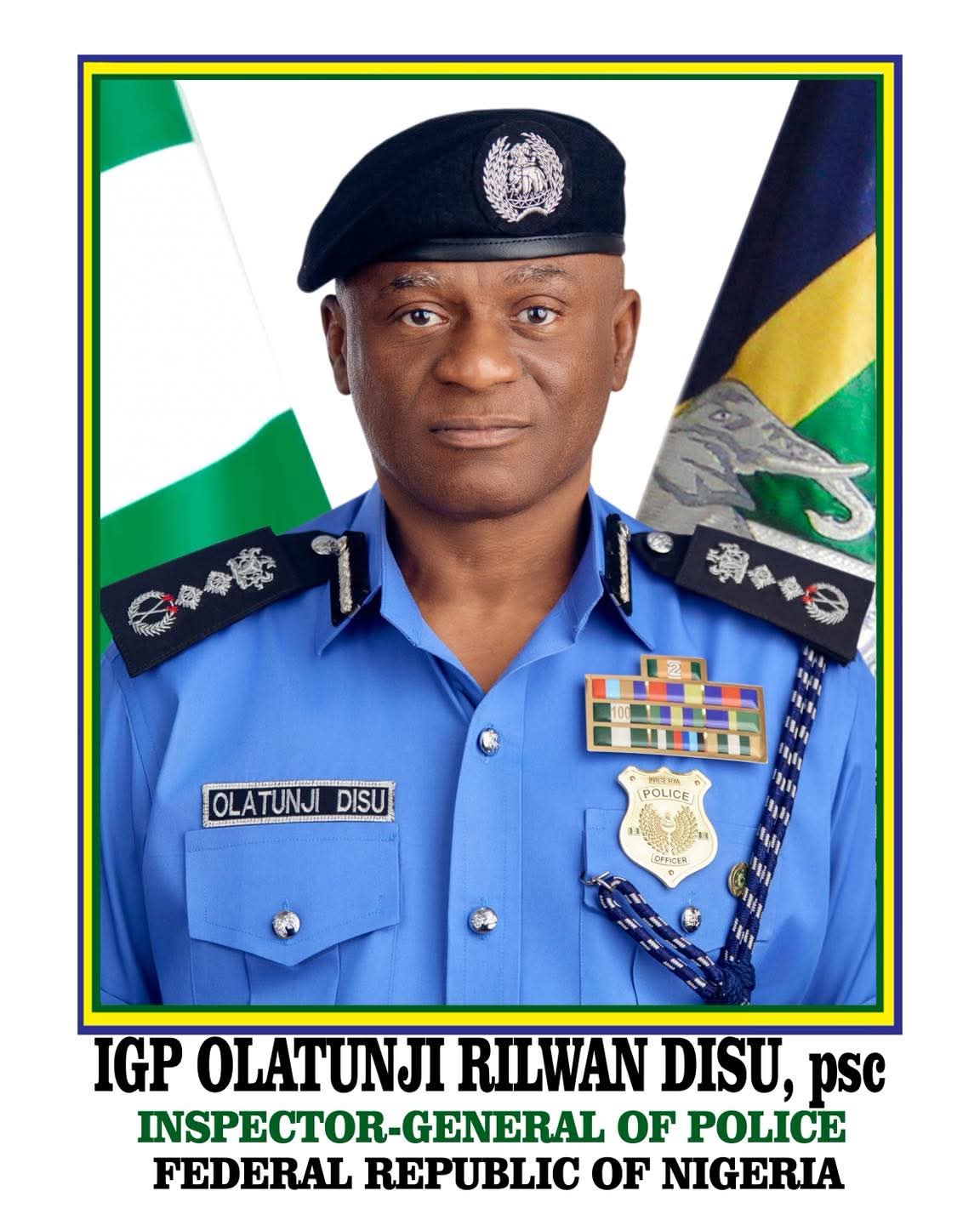
The Senate has condemned the killing of 113 persons, including six mobile police officers, in a series of coordinated attacks on communities in Benue North-East Senatorial District, calling on the Federal Government to take immediate and decisive action to end the persistent violence.
The resolution followed an urgent motion moved on Thursday by Senator Emmanuel Udende, representing Benue North-East Senatorial District, under Orders 41 and 51 of the Senate Standing Rules, drawing the attention of the upper chamber to the renewed wave of killings in parts of Ukom, Katsina-Ala and Logo Local Government Areas of Benue State.
Presenting the motion, Udende lamented that the attacks, which occurred during the Senate recess, had claimed numerous lives, destroyed property worth millions of naira, displaced thousands of residents and disrupted farming activities across the affected communities.
According to the senator, 24 persons were killed in Sai community in Katsina-Ala Local Government Area, while 63 others lost their lives in attacks on Mbaom and Aboju villages in Ukom Local Government Area.
He further disclosed that 15 persons, including six mobile police officers who were on duty, were killed in Ayilammo, Logo Local Government Area. Additional killings were also reported on October 8, 2026, in Sebiliji and Seshishi Nyaku villages in Ukom Local Government Area.
“In total, 113 precious lives were lost, properties worth millions of naira destroyed, and thousands of families displaced from their ancestral homes,” Udende told the Senate.
He warned that the recurring attacks had inflicted severe hardship on residents, particularly farmers, whose livelihoods depend largely on agriculture.
The senator expressed concern that the persistent violence had not only resulted in the loss of lives and property but had also undermined economic activities and heightened insecurity in rural communities across the state.
Contributing to the debate, senators expressed concern over the scale of the killings, particularly the reported death of six mobile police officers during the attacks.
The lawmakers argued that the killing of security personnel underscored the urgency of strengthening security operations in the affected communities, warning that residents would remain vulnerable without a sustained and coordinated response from the relevant authorities.
They called for the deployment of additional security personnel, improved intelligence gathering and more effective operational strategies to prevent further attacks and protect lives and property.
Following deliberations, the Senate unanimously adopted the prayers of the motion, condemning the killings and acts of violence reported in the affected communities.
The resolution specifically covered Katsina-Ala Local Government Area; Bon and Abu Aja villages in Bansum Council Ward; Zebiliji and Zeshishi Yako villages in Mbatian Council Ward, all in Ukum Local Government Area; and Ayilammo in Tombo Ward of Logo Local Government Area.
The Senate called on the Federal Government to take immediate and decisive action to halt the recurring attacks in Ukum, Katsina-Ala, Logo and other vulnerable communities across Benue State.
It urged the government to ensure coordinated security operations, backed by adequate personnel, equipment and other operational resources, to prevent further bloodshed and restore confidence among residents.
As part of its resolutions, the Senate called on the Inspector-General of Police, the Chief of Army Staff and the heads of other security and intelligence agencies to strengthen security operations in the affected areas.
The security agencies were also urged to establish effective early warning and rapid response mechanisms, investigate the reported killings, apprehend those responsible and ensure sustained protection for vulnerable communities.
The lawmakers stressed the need for improved coordination among security agencies to enable them to respond promptly to threats and prevent attacks before they escalate.
In another resolution, the Senate mandated the National Emergency Management Agency (NEMA), in collaboration with the Benue State Emergency Management Agency and other relevant authorities, to provide immediate relief materials and humanitarian assistance to displaced persons and other victims of the attacks.
The intervention is expected to address the urgent needs of affected families who have been forced to flee their homes and may have lost access to food, shelter and other essential supplies.
The Senate also mandated its Committee on Legislative Compliance to follow up with the relevant security agencies to ensure the implementation of its resolutions, particularly the deployment of additional security personnel to the troubled communities.
The directive is intended to ensure that the Senate’s resolutions translate into concrete action to improve security and protect residents in the affected areas.
The Senate observed a minute of silence in honour of those killed in the attacks and expressed condolences to the bereaved families and affected communities.
The lawmakers also commiserated with the Nigeria Police Force over the loss of the six mobile police personnel reportedly killed while on duty in Ayilammo, Logo Local Government Area.
The renewed violence has heightened concerns over the safety of rural communities in Benue State, where recurring attacks have disrupted agricultural activities, displaced residents and threatened livelihoods.
Benue, widely recognised as one of Nigeria’s major food-producing states, has continued to face security challenges linked to communal violence, farmer-herder conflicts and attacks attributed to armed groups.
The latest killings have renewed calls for a sustained security response, effective intelligence gathering and stronger protection for vulnerable communities, as residents struggle to cope with the humanitarian and economic consequences of the violence.
The Senate’s resolutions place renewed emphasis on the responsibility of the Federal Government and security agencies to protect lives, bring perpetrators to justice and prevent further attacks in Benue State.
Uncategorized
HURIWA Condemns Killing of Passengers in Sokoto, Demands Intelligence-Led Security Operations

By George Mgbeleke
The Human Rights Writers Association of Nigeria (HURIWA) has condemned the reported killing of passengers by armed bandits along the road to Isa Local Government Area of Sokoto State, describing the attack as a cruel assault on the sanctity of human life and the safety of innocent citizens.
HURIWA demands effective and efficient coordination among security agencies, backed by proactive, intelligence-led operations, to prevent further bloodshed and protect Nigerians travelling on the nation’s highways.
Reports indicate that the armed assailants intercepted a vehicle conveying passengers returning from Sokoto city on Wednesday, October 21, 2026, and opened fire on those inside. The exact number of casualties had yet to be officially confirmed as of Thursday.
Conflict reporter Bakatsine, who covers security developments in northwestern Nigeria, reported the incident and shared photographs of some of the victims.
Some of those reportedly killed were said to be among the 3,000 people recruited by the Sokoto State Government who had travelled to the state capital for further screening and collection of their documents.
HURIWA describes the reported attack as a disturbing reminder of the grave security risks confronting citizens on roads in parts of northwestern Nigeria.
The association insists that security operations must move beyond reactive responses after attacks have occurred. Intelligence gathering, information sharing, strategic deployment and timely intervention must form the foundation of efforts to dismantle armed criminal networks and protect vulnerable communities.
HURIWA calls on the relevant security agencies to urgently investigate the incident, establish the identities and number of victims, track down the perpetrators and ensure that all those responsible are arrested and prosecuted in accordance with the law.
The association warns that the killers must not be allowed to escape justice. Every failure to identify and bring perpetrators of such atrocities to account risks deepening public anxiety and weakening citizens’ confidence in the ability of the state to protect their lives.
HURIWA also urges the Sokoto State Government and relevant federal authorities to cooperate fully with security agencies, provide necessary operational support and ensure that affected families receive timely information and appropriate assistance.
While acknowledging the challenges confronting security agencies, HURIWA maintains that the protection of lives and property remains a fundamental responsibility of government that must be pursued with urgency, professionalism and measurable results.
The association calls for stronger highway surveillance, improved intelligence networks and closer coordination among the police, military and other relevant security agencies to prevent armed groups from turning public roads into killing grounds.
HURIWA extends its condolences to the families of the victims and calls on authorities to provide transparent updates on the incident as investigations proceed.


Abuja land: Jordan Nyesom-Wike never admitted receiving $2.1m from anyone -Onoja
By Our Correspondent A Senior Advocate of Nigeria (SAN), Dr James Ogwu Onoja has warned social media commentators and bloggers...

Panel on death of 37dead illegal Miners: Commissioner alleges NSCDC goes beyond its official role of engagement
By Uthman Baba -Naseer,Minna The Commissioner for Homeland Security in Niger State Mr. Maurice Bello Magaji has alleged that the...
Abuja land: Jordan Nyesom-Wike never admitted receiving $2.1m from anyone -Onoja
By Our Correspondent A Senior Advocate of Nigeria (SAN), Dr James Ogwu Onoja has warned social media commentators and bloggers...

Sea Incursion: Senate Demands Urgent Shoreline Protection As Ayetoro Community Faces Extinction
By our correspondent Senate on Thursday called for immediate and comprehensive shoreline protection to save Ayetoro community in Ilaje Local...


FG, labour meeting over fuel price, minimum wage, tax relief, others, deadlock, as NLC orders affiliates to be on alert.
By Our Correspondent The meeting between the federal government and organised labour, convened at the ministry of labour in Abuja,...

Ebola: No evidence of community spread in Nigeria — FG
By Our Correspondent In a bid to state the true situation of Ebola spread in the country,Federal Government has declared...

Benue Massacre: Death Toll Hits 113 ..As Senate demands FG’s Intervention
By George Mgbeleke The Senate has condemned the killing of 113 persons, including six mobile police officers, in a series...

Lagos-Calabar Coastal Highway: My Disagreement With Umahi – Diri *Says Duke A Jester, So-Called National Champion Without Base
By David Owei Governor of Bayelsa State, Senator Douye Diri, on Thursday, revealed his disagreement with the Minister of Works,...


HURIWA Condemns Killing of Passengers in Sokoto, Demands Intelligence-Led Security Operations
By George Mgbeleke The Human Rights Writers Association of Nigeria (HURIWA) has condemned the reported killing of passengers by armed...
PMS Importation : Senate rejects NMDPRA’s 2022, 2023 records …says wide disparities between it and those of NNPCL unacceptable ….summons heads of agencies
By Our Correspondent The Senate has through its committee on Public Accounts , rejected records of volume of Petroleum importation...
-

 Politics1 year ago
Gov Okpebholo moves to end Cultism *Threatens action against leading cult groups *Vows to demolish more cult houses in Edo State
-
 Politics1 year ago
ASUU-NDU protest against FG loans, unpaid salaries,Non-Implementation of agreements …..says loans is generational slavery
-

 Business & Economy1 year ago
PC-NCG Issues Disclaimer on Purported Nigerian Coast Guard National Orientation Exercise In Anambra State
-
 Entertainment2 years ago
Jubilation galore as Parishioners of CKC Kurudu celebrate their cultural heritage ….FG should exploit our Cultural heritage to unite Nigerians-Rev Fr Dim
-

 Sports8 months ago
Bayelsa-born ex-football star’s son, Opuama donates spike shoes to Athletics Association
-

 General News2 years ago
Reps hold public hearing on FMC Ugwuaji Awkunanaw
-
 Law & Crime1 year ago
Legal practitioner raises alarm over threat to his life by CSP Muhammed Abdulkareem
-

 General News2 years ago
Celebration galore as UDA Successfully Elected New Exco ……I will digitalize processes that will raise UDA to greater height -Comr. Okejiri