
General News
Experts task African countries on AI, financing to drive livestock sector

By Our Correspondent
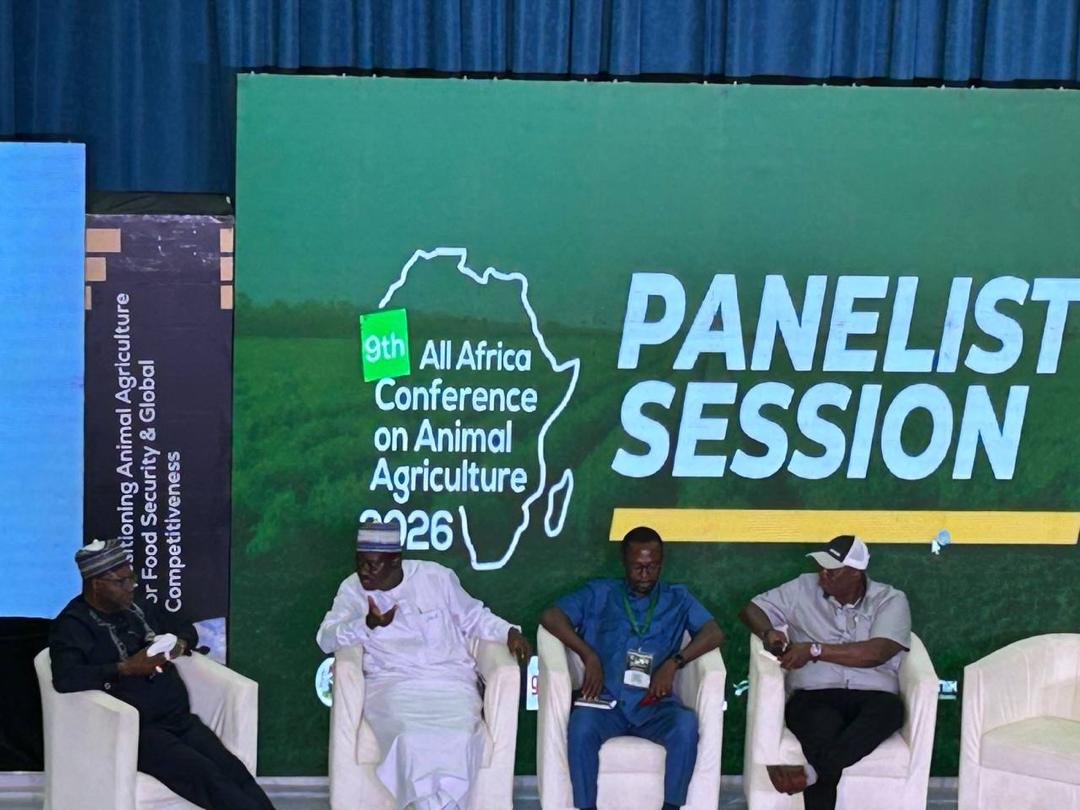
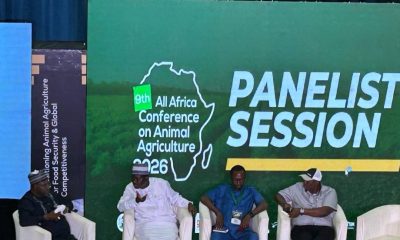
Experts at the 9th All Africa Conference on Animal Agriculture in Abuja have called on African countries to reduce dependence on imported animal genetic materials and strengthen farm-based training for youths to unlock opportunities in the livestock sector.
They said the continent must prioritise practical education, financing and technology to make agriculture attractive to young people and drive economic growth.
A member of the Presidential Livestock Implementation Committee, Professor Demo Kalla, said Nigerian youths represent the country’s greatest asset and must be harnessed through productive opportunities in livestock.
“Our youthful population is our greatest asset, but it is, on the other hand, a keg of gunpowder waiting to happen to us if we do not harness their creativity, their talents, and their energies and direct them towards productive means,” he said.
Professor Kalla said the livestock sector offers youth opportunities beyond traditional farming, including artificial intelligence, digital platforms, animal tracking, agribusiness, processing, logistics and engineering.
“This conference was designed to bring the youth together to think of animal agriculture not only as a means of livelihood but also as a gold mine that has not been tapped. It is a multi-trillion-dollar economy that is awaiting being unfolded,” he stated.
He also stressed the importance of animal-source foods like milk, meat and eggs to Nigeria’s nutritional security.
Another panelist from Ghana, Professor Kawu Domako, said African governments must introduce agriculture at the basic education level and create youth-focused financing schemes with grants and affordable loans.
“We need to create a conducive environment to let agriculture become attractive to young people. It can be a small grant, but as they start and they succeed, we can give them a top-up grant,” he said.
Professor Domako noted that many young farmers rely on personal savings because they lack collateral and access to credit, while the absence of guaranteed markets also exposes them to financial risks.
He added that despite abundant fertile land, Africa still imports basic food commodities and must prioritise food production and support for young agri-entrepreneurs.
The 4-day conference brought together stakeholders across Africa to discuss strategies for transforming animal agriculture into a competitive and youth-driven sector.
General News
NSCRPA Records 192 Cases involving Under-age, Rape,Maltreatment,Child trafficking, forced marrage etc
By Uthman Baba-Naseer,Minna
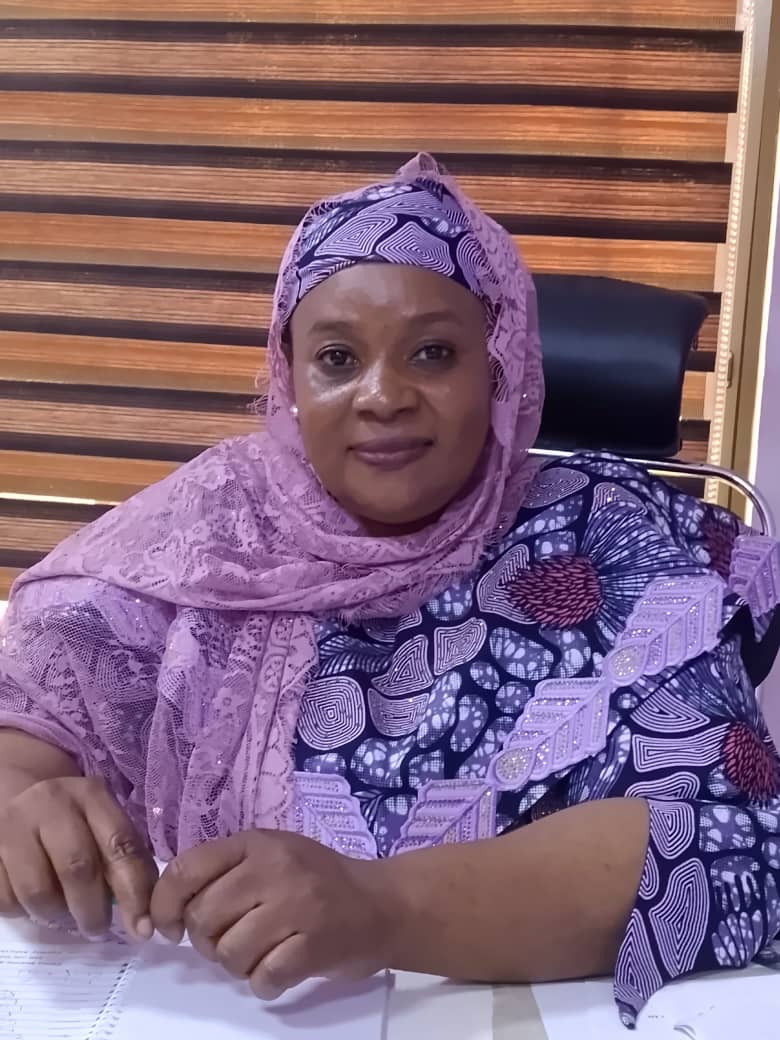
The Niger State Child Rights Protection Agency says it has recorded at least 192 cases involving children between November 2025 and June 2026, including rape, maltreatment, child trafficking, forced marriage, abandonment and denial of child maintenance.
The Director-General of the Agency, Hajiya Ummul Mohammed, disclosed this in an interview with the newsmen in Minna.
She said the agency, which has the responsibility of protecting the rights and interests of children across the state’s 25 Local Government Areas, had continued to intervene in cases of abuse and other violations despite numerous challenges.
Hajiya Unmul Mohammed, who assumed office in November 2025, said 30 cases were recorded in November, 31 in February, 30 in March, 40 in April, 27 in May and 30 in June.
She explained that the cases involved child maintenance, maltreatment, missing children, forced marriage, rape, child abandonment, denial of pregnancy and paternity, among others.
According to her, the agency has also handled cases of child trafficking, domestic servitude, street hawking and children being taken away under the guise of seeking Islamic education.
She cited the case of a child identified as Umaru, who was brought from Agai to Minna for Islamic studies but was found in an inadequate learning environment.
The agency, she said, intervened and the child’s father and another person connected to the case are now facing prosecution.
The Director-General also disclosed that the agency recently facilitated the return of a missing child to her parents in another state, while another young girl brought from Jos to Niger State to work as a domestic servant was returned to her family.
She said the agency had equally intervened in cases involving children from Wushishi, Kontagora and other parts of the state.
Hajiya Unmul stressed the importance of public sensitisation, particularly in rural communities where, according to her, many parents and children remain unaware of children’s rights.
She said the agency had embarked on sensitisation visits to schools, including schools in Dutsen-Kura and Maitumbi, urging teachers and school authorities to report suspected cases of physical or psychological abuse.
She said the response from schools had been encouraging, citing an instance where a school reported a father who allegedly assaulted his daughter.
The Director-General identified inadequate mobility as one of the agency’s major challenges, explaining that many victims and complainants were vulnerable people who could not afford transportation required for follow-up services.
She said she had abolished charges previously imposed for filing complaints at the agency, stressing that victims could now come forward and lodge complaints without paying.
However, she appealed for more vehicles and logistical support to enable officials to reach communities across the state.
Niger State, she noted, is vast, making mobility crucial to the effective discharge of the agency’s responsibilities.
She said the agency currently had desk offices in Bida, Suleja and one other location, but expressed the desire to establish functional desks in more Local Government Areas so that complaints could be received closer to affected communities.
Hajiya Ummul attributed the rising cases of child abuse and gender-based violence largely to poverty and ignorance.
She said many parents, unable to provide for their children, send them away to work as domestic servants, exposing them to possible abuse and exploitation.
She also called for greater parental responsibility, warning that parents who neglect their children would face legal consequences.
According to her, the agency recently rescued 19 children found at mining sites, with the youngest reportedly about eight years old.
She said the parents of the children were located and made to undertake bonds of five million naira for each child as a deterrent against sending them back to mining sites.
The Director-General further disclosed that the agency’s medical unit had referred several children to hospitals for treatment and medical examinations following cases of suspected rape, physical abuse, injuries and other forms of maltreatment.
She said the agency had referred about 15 cases for medical attention since May 2026, with many of the affected children aged between nine and 16.
On prosecution, Hajiya Ummul said several cases were currently before different courts in the state, including cases of rape and attempted rape, while the agency continued to monitor and follow up the proceedings.
She said her previous experience in the judiciary had helped her maintain a cordial working relationship with judicial officers and other stakeholders in pursuing justice for abused children.
The Director-General commended the Niger State Government for its support, particularly Governor Umar Mohammed Bago and the First Lady, Hajiya Fatima Bago, for their interest in issues concerning children and gender-based violence.
She also acknowledged the support of the Ministry of Women Affairs and Social Development.
However, she called on traditional rulers, Local Government Councils, philanthropists, civil society organisations and other stakeholders to join the government in combating child abuse and trafficking.
She particularly stressed the need for sustained sensitisation campaigns in rural areas, saying the government alone could not solve the problem.
“We have to work together. These are our children and they are our responsibility,” she said.
Hajiya Ummul said the agency would continue to protect the rights and interests of every child in Niger State and would not hesitate to take legal action against parents or other persons found to be violating those rights.
NSCRPA Records 192 Cases involving Under-age,
Rape,Maltreatment,Child trafficking, forced marrage etc
By Uthman Baba-Naseer,Minna
The Niger State Child Rights Protection Agency says it has recorded at least 192 cases involving children between November 2025 and June 2026, including rape, maltreatment, child trafficking, forced marriage, abandonment and denial of child maintenance.
The Director-General of the Agency, Hajiya Ummul Mohammed, disclosed this in an interview with the newsmen in Minna.
She said the agency, which has the responsibility of protecting the rights and interests of children across the state’s 25 Local Government Areas, had continued to intervene in cases of abuse and other violations despite numerous challenges.
Hajiya Unmul Mohammed, who assumed office in November 2025, said 30 cases were recorded in November, 31 in February, 30 in March, 40 in April, 27 in May and 30 in June.
She explained that the cases involved child maintenance, maltreatment, missing children, forced marriage, rape, child abandonment, denial of pregnancy and paternity, among others.
According to her, the agency has also handled cases of child trafficking, domestic servitude, street hawking and children being taken away under the guise of seeking Islamic education.
She cited the case of a child identified as Umaru, who was brought from Agai to Minna for Islamic studies but was found in an inadequate learning environment.
The agency, she said, intervened and the child’s father and another person connected to the case are now facing prosecution.
The Director-General also disclosed that the agency recently facilitated the return of a missing child to her parents in another state, while another young girl brought from Jos to Niger State to work as a domestic servant was returned to her family.
She said the agency had equally intervened in cases involving children from Wushishi, Kontagora and other parts of the state.
Hajiya Unmul stressed the importance of public sensitisation, particularly in rural communities where, according to her, many parents and children remain unaware of children’s rights.
She said the agency had embarked on sensitisation visits to schools, including schools in Dutsen-Kura and Maitumbi, urging teachers and school authorities to report suspected cases of physical or psychological abuse.
She said the response from schools had been encouraging, citing an instance where a school reported a father who allegedly assaulted his daughter.
The Director-General identified inadequate mobility as one of the agency’s major challenges, explaining that many victims and complainants were vulnerable people who could not afford transportation required for follow-up services.
She said she had abolished charges previously imposed for filing complaints at the agency, stressing that victims could now come forward and lodge complaints without paying.
However, she appealed for more vehicles and logistical support to enable officials to reach communities across the state.
Niger State, she noted, is vast, making mobility crucial to the effective discharge of the agency’s responsibilities.
She said the agency currently had desk offices in Bida, Suleja and one other location, but expressed the desire to establish functional desks in more Local Government Areas so that complaints could be received closer to affected communities.
Hajiya Ummul attributed the rising cases of child abuse and gender-based violence largely to poverty and ignorance.
She said many parents, unable to provide for their children, send them away to work as domestic servants, exposing them to possible abuse and exploitation.
She also called for greater parental responsibility, warning that parents who neglect their children would face legal consequences.
According to her, the agency recently rescued 19 children found at mining sites, with the youngest reportedly about eight years old.
She said the parents of the children were located and made to undertake bonds of five million naira for each child as a deterrent against sending them back to mining sites.
The Director-General further disclosed that the agency’s medical unit had referred several children to hospitals for treatment and medical examinations following cases of suspected rape, physical abuse, injuries and other forms of maltreatment.
She said the agency had referred about 15 cases for medical attention since May 2026, with many of the affected children aged between nine and 16.
On prosecution, Hajiya Ummul said several cases were currently before different courts in the state, including cases of rape and attempted rape, while the agency continued to monitor and follow up the proceedings.
She said her previous experience in the judiciary had helped her maintain a cordial working relationship with judicial officers and other stakeholders in pursuing justice for abused children.
The Director-General commended the Niger State Government for its support, particularly Governor Umar Mohammed Bago and the First Lady, Hajiya Fatima Bago, for their interest in issues concerning children and gender-based violence.
She also acknowledged the support of the Ministry of Women Affairs and Social Development.
However, she called on traditional rulers, Local Government Councils, philanthropists, civil society organisations and other stakeholders to join the government in combating child abuse and trafficking.
She particularly stressed the need for sustained sensitisation campaigns in rural areas, saying the government alone could not solve the problem.
“We have to work together. These are our children and they are our responsibility,” she said.
Hajiya Ummul said the agency would continue to protect the rights and interests of every child in Niger State and would not hesitate to take legal action against parents or other persons found to be violating those rights.
Bÿ George Mgbeleke
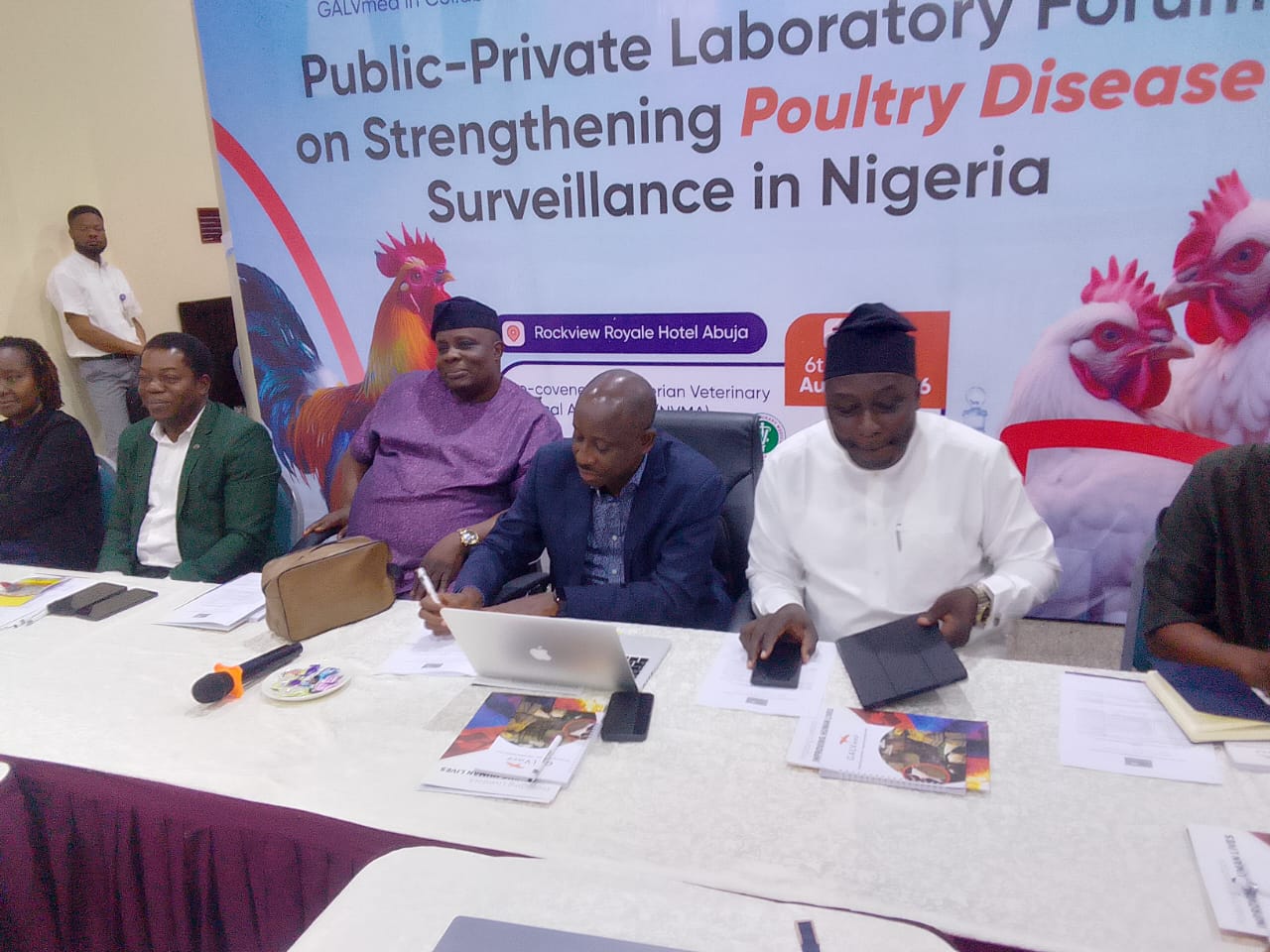
Stakeholders in Nigeria’s livestock sector have called for the integration of private veterinary laboratories into the national surveillance system to improve data collection and early detection.
They identified poor reporting and fragmented data as major threats to animal disease control in the country.
Speaking at a stakeholders’ meeting on strengthening Nigeria’s veterinary laboratory network in Abuja, the participants said collaboration among federal, state, local government and private laboratories was critical to building a robust surveillance system.
Director of Infectious and Transboundary Animal Diseases at NVRI, Professor Clement Meseko, said no single institution can achieve effective surveillance alone.
“It’s very interesting that we are discussing veterinary laboratory network, particularly collaboration between government laboratories, national laboratories, state laboratories, and more importantly, the private laboratory,” he said.
Meseko explained that private labs are closer to farmers and can quickly collect samples and report suspected outbreaks.
“For instance, if there is an indication of an infectious disease in a poultry farm, the private lab is closer and can send samples to state labs before it gets to the national reference lab,” he said.
Meseko urged government to strengthen and incentivise private laboratories to encourage participation, saying “there will be benefit to them in the number of diseases they analyse, and benefit to government because we will have access to wider data.”
Country Manager of GALVmed Nigeria, Moses Arokoyo, said the biggest gap in the system is lack of data integration.
“So what we have seen as a gap is the fact that there is no integration of data. If an event is not recorded, it means it didn’t happen,” he said.
Arokoyo said harmonising data from public and private labs would help Nigeria identify patterns and prepare for outbreaks.
“Outbreaks don’t just happen. There is a pattern over time. Once that pattern is established, we are better prepared,” he noted.
He said GALVmed is supporting the effort through the National Animal Disease Information Service, NADIS.
“The summary is GALVmed wants Nigeria to have robust data. The missing link is reporting. The reporting system is very poor,” he added.
President of the Veterinary Council of Nigeria, Matthew Adamu, called for investment in laboratory infrastructure at state and local government levels.
“We need the veterinary teaching hospitals to be well equipped. We want the states’ laboratories to be well equipped. Personnel should be trained and retrained,” he said.
Chief Veterinary Officer of Nigeria, Dr. Samuel Anzaku, represented by Dr. Adeniyi Adedoyin, said under-reporting has persisted for 10 years despite the Animal Disease Control Act.
“Why do we have teaching hospitals and different labs generating data, and everybody keeps to their own data? Without a paradigm shift, we will not achieve results,” he said.
Director General of the Poultry Association of Nigeria, Dr. Onallo Akpa, also called for more investment in research to tackle Newcastle Disease and other endemic poultry diseases.
Stakeholders concluded that an integrated network of public and private labs would improve surveillance, support early detection and strengthen Nigeria’s livestock health system.

Minna Court orders administration of 20 strokes of horse whip on a- 25 -yrs old man publicly
BY UTHMAN BABA NASEER-,MINNA A twenty five years old Bala Aliyu of Bosso town in Niger State was publicly administered...

Experts task African countries on AI, financing to drive livestock sector
By Our Correspondent Experts at the 9th All Africa Conference on Animal Agriculture in Abuja have called on African countries...


HURIWA to Tinubu, Mutfwang: Stop the Bloodshed in Plateau Before More Communities Are Wiped …. condemns fresh attacks on Berom communities, demands decisive military action, arrests of perpetrators
By George Mgbeleke The Human Rights Writers Association of Nigeria (HURIWA) has condemned in the strongest terms the fresh wave...


Igali Lauds Bayelsa State Chess Team ,Describes Them As Astute
By David Owei,Bayelsa The Commissioner for Sports Development in Bayelsa State Chief Baraladei Daniel has lauded the state chess team...


New CP, Ajao Saka Adewale, vows to include community leaders in fight against cultism, armed robbery, others
By David Owei Newly deployed Commissioner of Police, CP Ajao Saka Adewale has assumed duty in Bayelsà State, promising to...


Police to Unveil 2027 Election Security Blueprint at Senior Officers’ Retreat
Jonas Ezieke, Abuja The Nigeria Police Force is set to use the sixth edition of its Conference and Retreat for...
Police to Unveil 2027 Election Security Blueprint at Senior Officers’ Retreat
Jonas Ezieke, Abuja The Nigeria Police Force is set to use the sixth edition of its Conference and Retreat for...

Osun 2026: Adeleke demands arrest, prosecution of APC Senator over killing threat
By Our Correspondent As the nation awaits the conduct of Osun State governorship election this Saturday, state Governor, Ademola Adeleke,...

2027: ADC vows to end politics without ethics,Accountability, Morality as it launches ‘The Orange Book”
By George Mgbeleke The African Democratic Congress (ADC) has vowed to introduce a new political culture anchored on ethics, accountability...


HURIWA to Tinubu Shettima : Break Your Silence on Sheikh Sani Jingir’s ‘Muslim -Muslim Presidency ‘ or Risk Being Seen As Endorsing Religious Supremacy
By George Mgbeleke Prominent pro-democracy and civil rights advocacy group Human Rights Writers Association of Nigeria (HURIWA) has tasked President...
-

 Politics1 year ago
Gov Okpebholo moves to end Cultism *Threatens action against leading cult groups *Vows to demolish more cult houses in Edo State
-
 Politics12 months ago
ASUU-NDU protest against FG loans, unpaid salaries,Non-Implementation of agreements …..says loans is generational slavery
-

 Business & Economy12 months ago
PC-NCG Issues Disclaimer on Purported Nigerian Coast Guard National Orientation Exercise In Anambra State
-
 Entertainment2 years ago
Jubilation galore as Parishioners of CKC Kurudu celebrate their cultural heritage ….FG should exploit our Cultural heritage to unite Nigerians-Rev Fr Dim
-

 Sports6 months ago
Bayelsa-born ex-football star’s son, Opuama donates spike shoes to Athletics Association
-

 General News2 years ago
Reps hold public hearing on FMC Ugwuaji Awkunanaw
-

 Law & Crime1 year ago
Legal practitioner raises alarm over threat to his life by CSP Muhammed Abdulkareem
-

 General News2 years ago
Celebration galore as UDA Successfully Elected New Exco ……I will digitalize processes that will raise UDA to greater height -Comr. Okejiri