
Law & Crime
*HURIWA Gives Tinubu Govt 7 Days to Arrest Terrorists Gumi Says Authorities Know*


By George Mgbeleke
The Human Rights Writers Association of Nigeria (HURIWA) has issued a seven-working-days ultimatum to the Federal Government of Nigeria to immediately arrest and prosecute terrorists allegedly known to authorities, following explosive claims by Islamic cleric Ahmad Gumi that the government possesses the names and locations of every terrorist operating in the country.
The civil rights group warned that failure by the administration of Bola Ahmed Tinubu to act decisively within the stipulated time would compel it to escalate the matter internationally, including filing formal petitions to Donald Trump, the United States Congress, and the International Criminal Court, seeking an investigation into what it described as the Nigerian government’s “apparent tolerance or protection of terrorists responsible for mass killings across the country.”
In a strongly worded statement issued in Abuja on Wednesday, HURIWA said Gumi’s recent televised remarks had raised grave national security and legal questions that the federal authorities must urgently address.
The group recalled that during an interview on DRTV, the Kaduna-based cleric publicly declared that the Nigerian government knows the identity and exact location of every terrorist operating within the country. Gumi also insisted that his controversial visits to bandit camps were not done secretly but with the knowledge and presence of security agencies.
According to Gumi, “the government knows everyvv terrorist by name and location,” adding that when he engages with armed groups, he does not go alone but in the company of the police, military, and other security agencies.
Reacting to the development, HURIWA said the claim, if true, would amount to one of the most shocking admissions of state failure in Nigeria’s ongoing war against terrorism.
“HURIWA finds the statement credited to Sheikh Ahmad Gumi extremely disturbing. If indeed the Federal Government knows every terrorist by name and location as claimed, then Nigerians deserve to know why these criminals continue to roam freely, kidnapping schoolchildren, murdering farmers, attacking communities and destabilising the nation,” the group said.
The organisation insisted that if the government already possesses actionable intelligence identifying terrorists and their hideouts, there can be no justification for the continued bloodshed across several states.
“We are therefore giving the Federal Government of Nigeria seven working days to arrest the terrorists whose identities and locations are allegedly known to the authorities and to immediately commence their prosecution in accordance with Nigerian law,” the statement added.
HURIWA further argued that the continued freedom of the cleric himself, despite his admitted interactions with terrorist groups, raises troubling questions about the seriousness of Nigeria’s counter-terrorism policy.
“If Sheikh Gumi truly has extensive knowledge of the identities and locations of terrorists, why have security agencies not invited him for comprehensive questioning or investigation? His freedom without scrutiny lends credibility to his assertion that the government is already aware of these terrorists and yet has failed to act,” the group said.
The rights organisation warned that if no concrete action is taken within seven working days, it will initiate international legal advocacy to hold Nigeria’s leadership accountable for what it described as crimes against humanity arising from persistent terrorist attacks.
“HURIWA will formally petition the United States Congress, the administration of President Donald Trump, and the International Criminal Court to demand a global inquiry into the Nigerian government’s handling of terrorism, including the possibility that state negligence or complicity is enabling these atrocities,” it stated.
The group argued that persistent massacres, kidnappings, and attacks on civilians in Nigeria meet the threshold of crimes against humanity under international law if authorities knowingly fail to prevent them.
HURIWA also cited several legal authorities establishing that individuals who possess knowledge of serious crimes and fail to report or act upon such knowledge may themselves face criminal liability.
The organisation referenced Section 10 of the Terrorism (Prevention) Act, which criminalises knowingly assisting, facilitating, or failing to disclose information relating to terrorist activities.
The group also pointed to provisions of the Criminal Code Act, which recognise the offence of being an accessory after the fact where a person knowingly aids offenders to evade justice.
HURIWA further cited the landmark case of R v. Sykes, which established that a person who knowingly assists offenders or shields them from prosecution becomes criminally liable.
Another relevant authority, the Nigerian Supreme Court decision in FRN v. Osahon, reaffirmed the duty of citizens and law enforcement institutions to cooperate in bringing offenders to justice and preventing impunity.
According to the rights group, these legal precedents reinforce the principle that possessing credible knowledge of criminal activities without taking steps to report or stop them may amount to complicity.
“The law is clear that silence or inaction in the face of known criminal activity can amount to aiding and abetting crime. This is why the Federal Government must urgently clarify whether Sheikh Gumi’s claims are accurate and, if they are, immediately move to neutralise these terrorists,” HURIWA said.
The organisation stressed that the ultimatum is intended to compel transparency and decisive action at a time when millions of Nigerians are living under constant threat of terrorist attacks.
“HURIWA will not stand idly by while Nigerians are slaughtered daily. If the government knows these terrorists and their locations, then the time for excuses has expired. The time for arrests and prosecution is now,” the group declared.
[11/03, 15:00] Jonas-Champion: Defection: 3 PDP Reps Defect to APC.
1 Moves to Accord Party As Another LP House Member Joins APC
Jonas Ezieke, Abuja
Following the defection of many state governors.elected under the platform of the Peoples Democratic Party PDP to the ruling All Progressives Congress APC, the party has lost three of its members to the APC in the House of Representatives.
The federal lawmakers who defected to the ruling APC are Hon.Inuwa Garba representing Yamaltu/Deba Federal Constituency of Gombe State, Hon Hon.Abdullahi El-Rasheed representing Dukku/Nafada Federal Constituency of Gombe State and Hon.Muhammed Audu representing Karim Lamido/Lau/ Ardo-Kola Federal Constituency of Taraba State
Others are Hon.Adewale Adebayo representing Olorunda/Osogbo/ Irepodun/Orolu Federal Constituency of Osun State who joined the Accord Party and Hon.Joshua Chinedu Obika representing Abuja Municipal Area Council AMAC and Bwari Federal Constituency who defeated to the APC form the Labour Party LP.
The decampee lawmakers defection was conveyed to the green chamber in separate letters read on the floor of the House by the Speaker Rt.Hon.Tajudeen Abbas on Wednesday in Abuja
Wheras the estwhile Peoples Democratic Party former members cited irreconcilable division in the party and inability of the leaders of the party to bring the warring factions to the negotiation table, their colleague elected under the banner of the Labour Party LP said it was due to inability of the party to succeefuly field-in a candidate for the last Area Council election in the nation’s capital.
Some of the the decampee lawmakers also said that their decision on the defection was followed by prior extensive consultation with their constituents who elected them into the House.
The Speaker Rt Hon Tajudeen Abbas welcomed the lawmakers into the ruling party and expressed optimism that their decision to join the party will enhance their contributions to legislative duties in the parliament.
End






Law & Crime
Police parades 23 persons over alleged involvement in cult clashes in Bayelsà ….recovers Eight firearms, cutlasses, bottles of codine,two battle axes,20 cartridges
By David Owei
The Bayelsà State Police Command led by Commissioner of Police, Mr. Ajao Saka Adewale has paraded twenty -three persons over their involvement in the recent renewed cult clashes in the state and killings of over five persons.
Those arrested were apprehended after sizable display of attacks and reprisals from opposing cult groups recorded in Igbogene, Onopa, Ovom, Agudama, Amarata, Swali and Akenfa axis, some of which have resulted in fatalities.
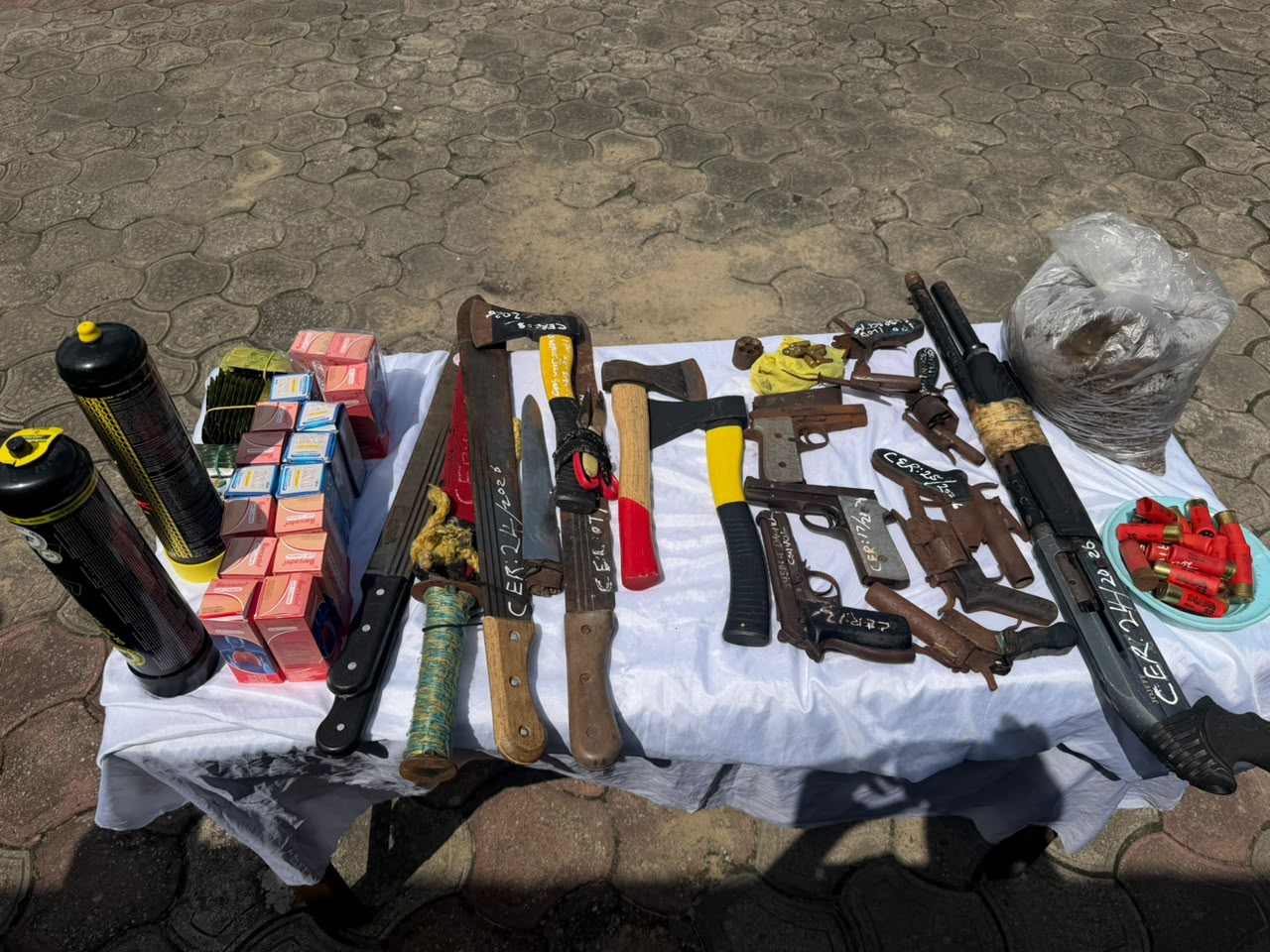
The police also announced the recovery of Eight (8) FIREARMS (2 locally fabricated pistols, 3 Baretta Pistols, 3 Locally made revolver pistol, and 1 automatic pump-action)Nine (9) live 9mm ammunition, FIVE (5) Cutlasses Two (2) Battle axesOne (1) drumTwo (2) Cans of Nitrous Oxide also known as (Laughing Gas).
Also recovered are Seventeen (17) bottles of Codine Substance and big bag of Dried leaves suspected to be Cannabis Sativa Twenty (20) Cartridges.
The State Commissioner of Police, Mr. Ajao Saka Adewale,while briefing newsmen at the Police headquarters, said the command, in a swift response via intelligence-driven operations and visibility patrols across identified flashpoints and parks and arrested a total of Twenty-three (23) suspects in connection to cultism, attempted murder, and unlawful possession of firearms, and other light weapons.
He confirmed that during a streak of coordinated and intelligence-driven operations spanning a space of 13 days between 23rd September to 5th October, 2026, one Tarimie James, 24 yrs “m” of Ovum Community was arrested along St. Anglican Church.
“He confessed on video record to be a member of the Icelander Confraternity. One locally fabricated Barretta Pistol was recovered from him and he is currently on remand, awaiting trial”
“One EZEIKIEL JOEL; a 24 yrs “m” of Igbogene Community was arrested with an automatic pump-action gun, other light weapons and a drum used during their meetings were recovered from him.He confessed on video record to be a member of the Kue Klus Klan’s men (KKK) Confraternity.”
He also confirmed that the Violent Crime Response Unit of the Command led by CSP Chris Nwaogbo, in the course of a coordinated operation to restore normalcy, arrested five (5) suspects in connection with attacks and reprisals by cult groups, resulting in life threatening injuries in some of the aforementioned communities.
“The suspects arrested include one ZAIDAMUN PAUL, ANTHONY OKORIE, God’s gift ANGEL, RICHMAN KUDI and VICTOR Kelsey.Exhibits Recovered: One (1)Baretta pistol, Axes, cutlasses and knives were recovered from the suspects”.
“On the 6th October, 2026, the operative of the Command acting on actionable intelligence recovered a locally made revolver pistol with three (3) live 9mm ammunition at Ugbogene, abandoned by a suspect (name withheld) who has been on the watchlist of the command for the recent cult-related apprehensions in Ugbogene community.”
“The said suspect, upon sighting police operatives, escaped through a nearby swamp, abandoning the exhibit. Effort is ongoing to apprehend him.”
” On the 7th- 8th October, 2026, which is barely two days ago, the operatives of the Command, during a joint and intelligence-driven operation, arrested eight (8) suspects in connection to cultism and breach of public peace in; Akenfa, Igbogene and Swali communities respectively.The suspects are:a. BARATUA-PRE BARA a 30 yrs “m” of Ogbia LGA, was arrested in Akenfa.”
“He confessed on video to being the No. 2 of the Icelanders Confraternity in Yenagoa. The suspect will be arraigned in court on Monday 12/10/2026.Igbogene also arrested Sb. FUNKURO BEREH a 25 yrs “m” of Ekeremoh LGA, arrested at Igbogene park. He confessed on a video recording to be a member of the Bobos Confraternity.The suspect will be arraigned in court soon.”
” KELVIN ADAMU a 28 yrs “m” of Igbogene Community, arrested at Igbogene Motor Park. The suspect is currently on remand, awaiting trial and he confessed on video recording to being a member of the Bobos confraternity.”
“SWALI COMMUNITY ARREST Sd. VINCENT IKIEYE a 20 yrs “m” of Gbarain, Southern Ijaw LGA. He was arrested on 8/10/2026 in Swali Community and handed over to the police by the community youths during a raid operation by the police.”
“The suspect confessed to being a member of the Bobos Confraternity and nicknamed “Small but mighty” The suspect will be arraigned on Monday 12/10/2026.”
e. Benjamin AKENO a 26 yrs “m” of Okpoma, Brass LGA. He was arrested on 8/10/2026 in Swali Community during a joint raid operation. The suspect confessed to being initiated into the Bobos Confraternity on 15th May, 2026 and he is nicknamed “Gentle Lion”.”
” ESUAYE IKECLEAR a 30 yrs “m” musician and native of Famgbe, Yenagoa LGA. The suspect was arrested in Swali, confessed to being inducted into the Bobos Confraternity in 10/9/2010 and nicknamed “Daki” ”
“GIFT TORIE “m” 23 yrs native of ikolo community, he confessed on video to being a member of the Bobos Confraternity and JOB SIMON 32 yrs businessman of Gbarain, Southern Ijaw LGA. He confessed to being a member of the Bobos confraternity, nicknamed “VIP” He will be charged to court on Monday 12/10/2026.”
The Commissioner of Police, Mr. Ajao Saka Adewale however expressed appreciation to the personnel of the Doo Akpo Joint Task Force and other tactical and operational teams, whose vigilance, courage, and commitment continue to provide practical meaning to our resolve to keep Bayelsa safe.
He also acknowledged the renewed cooperation of our critical community stakeholders, ” Our recent engagements with tricycle unions, NURTW Bayelsa State, Traditional rulers, Community Development Committees, and youth leaders across Yenagoa were not merely ceremonial meetings; they were deliberate bridges of trust and intelligence-sharing.”
Law & Crime
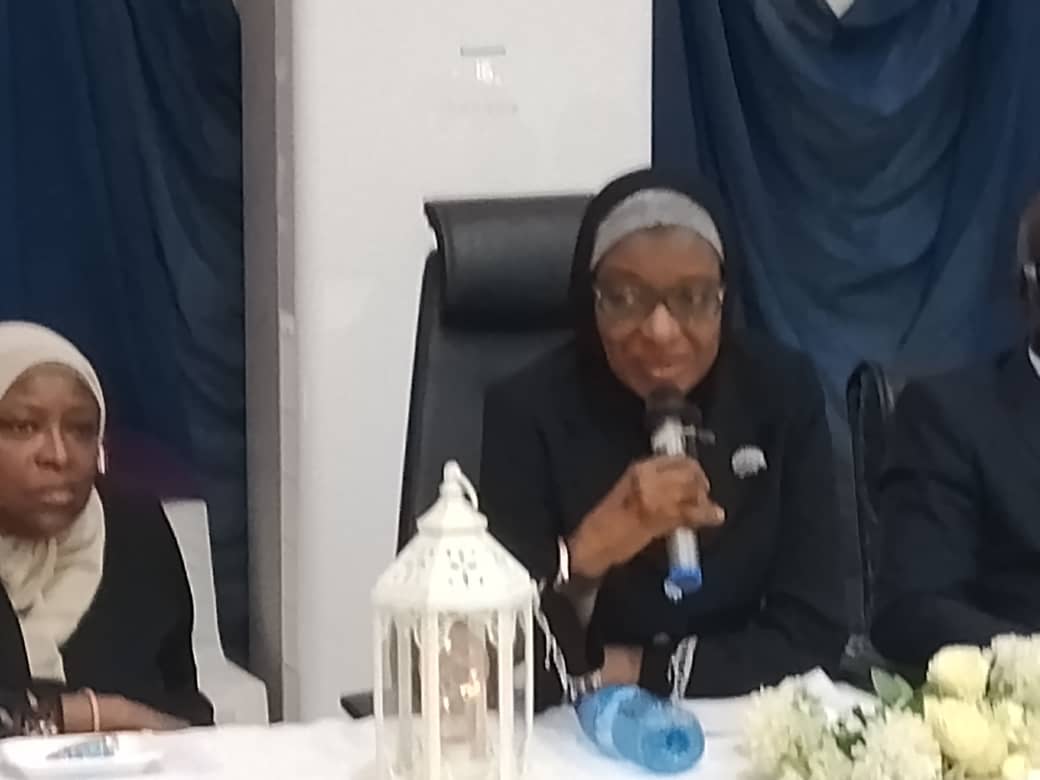
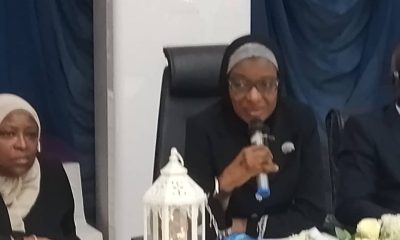
Niger CJ Seeks mutual understanding between the Bar and Bench to enhance speedy dispensation of criminal, Civil Justice
By Uthman Baba-Naseer,Minna
The Chief Judge of Niger State,Justice Halima Ibrahim Abdulmalik, has stressed the need for continued cordial and mutual understanding between members of the Bar and the Bench towards enhancing speedy dispensation of criminal and Civil Justice in the state.
She noted that both the Bar and the Bench are crucial and critical partners in the administration of Justice, urging legal practitioners in the state to continue to adhere strictly to the ethical and code of conduct of their practice.
Justice Halima Ibrahim was speaking during the 2026 Bar and Bench forum to commemorate the annual legal year of the Niger State Judiciary at the High Court foyer.
She urged members of the legal practitioners to engage in an open,decorum-driven discussion to resolve the operational challenges towards enhancing administration of justice in the state.
The Chief Judge noted that the e-filling system introduced in the state Judiciary,was aimed at going along with the digital system and she commended the NBA Minna Branch for its prompt adoption of the judiciary’s newly introduced e-filling system.
Speaking in the format of the interactive Justice Halima noted that a list of speakers had earlier been submitted,however, she stated that the floor remained open to all members of the Bar to express their concerns,grievances and preferred suggestions and the way forward regarding court operations and judicial service.
“ We as democrats,and given the essence of being here,is to evaluate ourselves,identify our problems and forge ways ahead. I’m ready with what model may be used” the Chief Judge stated.
She assured lawyers that they are under her protection and enjoyed full immunity on the floor to speak their minds in ensuring two ways feedback process key Judicial officers including the Director ICT and DCR litigation will be available to receive complaints regarding e-filling platform.
While also highlighting administrative challenges encountered by the court particularly in handling appeals she told legal practitioners to key in to the e-filling platform already introduced in the state High courts.
Justice Halima Ibrahim Abdulmalik use the forum to formally congratulated the new executive of the Minna branch of the Nigerian Bar Association (NBA) and also appreciated the immediate past leader of the branch Isyaku Barau for his support and cooperation during his tenure.
She assured that constructive feedback recieved from the forum, would be utilized to improve judicial efficiency and service delivery for the overall benefit of the legal profession and the citizens.
In her remarks,the Chief Registrar, of the High Court of Justice in Niger State,Amina Laminde Musa Saidu Esq explained that the Forum brings together two indispensable partners in the administration of Justice the Bench and the Bar.
She noted that their roles may differ,but share a common responsiblity in upholding the rule of law,preserve the integrity of the legal profession,and ensure the fair,efficient,and timely administration of justice.
According to the Chief Registrar, the effectiveness of the justice system depends significantly on a cordial and professional relationship between the Bench and Bar,founded on mutual respect, cooperation and constructive engagement.
“This forum therefore provides an important platform to discuss matters affecting court administration,professional conduct and practice,as well as challenges confronting the administration of justice in our state” she stated.
While commending the Chief Judge for her efforts in sustaining the Bench and Bar engagement and her commitment to strengthening the relationship between the two critical stakeholders,the Chief Registrar, pointed out that the initiative reflects the Chief Judge recognition that meaningful judicial reform requires consultation,cooperation,and the collective commitment of all stakeholders.
By Our Correspondent
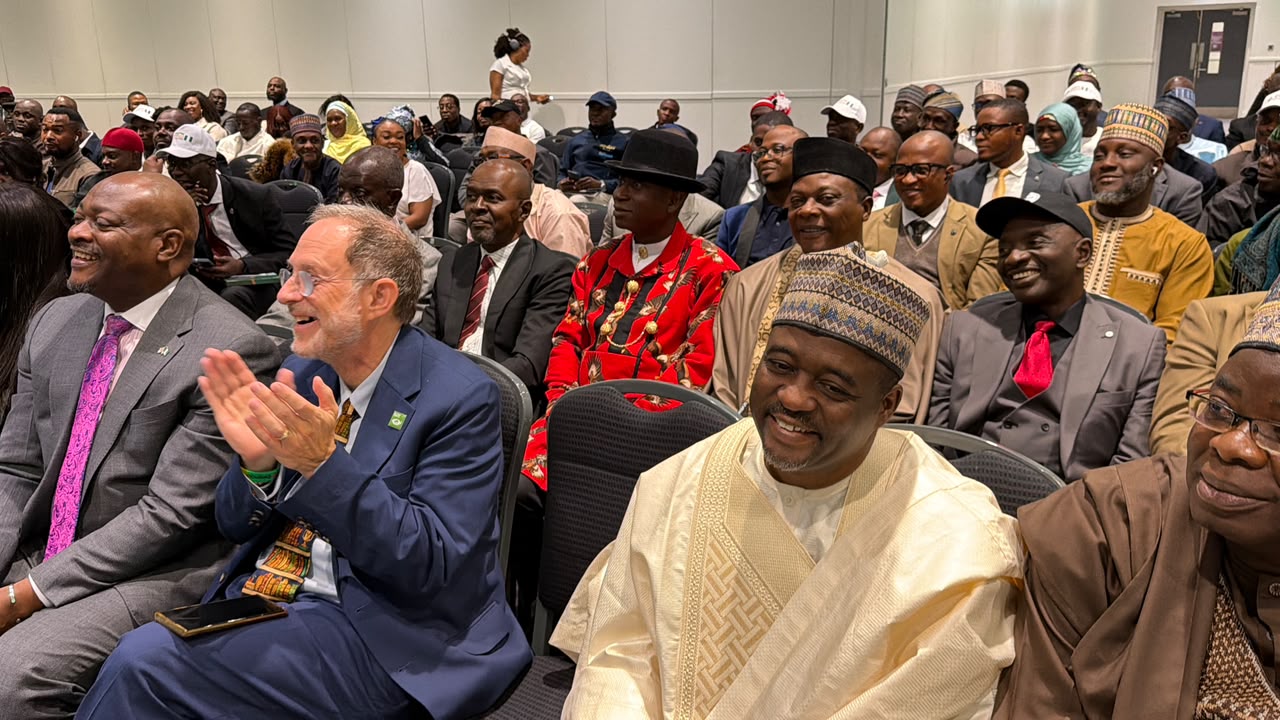
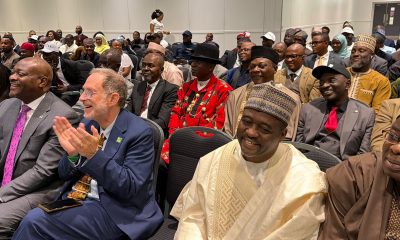
The National Board for Technology Incubation (NBTI) has showcased 298 Nigerian innovators from the 36 states and FCT to global investors in London as part of efforts to commercialise homegrown technologies.
The innovators featured at the 2026 NextGen Innovation Challenge grand finale, which drew entrepreneurs, investors, government officials and diplomats to explore investment and international collaboration opportunities.
Speaking at the event, the NBTI Director-General, Dr. Kazeem Kolawole Raji said innovation and technology commercialisation are critical to Nigeria’s $1 trillion economy ambition.
“A one-trillion-dollar economy cannot be built by government alone. It must be built by Nigerians who innovate, Nigerians who manufacture, Nigerians who invest, Nigerians who create intellectual property, Nigerians who build enterprises,” he said.
Raji said the Challenge was designed to bridge the gap between ideas and market, linking innovators with investors and global markets. Participation rose from 105 last year to 298 this year.
He commended the Federal Ministry of Innovation, Science and Technology, Ministry of Foreign Affairs, Nigerian High Commission in the UK, British High Commission and strategic partner UKALD for supporting the initiative.
“Today is a celebration, but tomorrow is the real test,” he said, urging innovators to build, commercialise, scale and take Nigerian innovation global.
Delivering a keynote on behalf of Nigeria’s High Commissioner to the UK, Ambassador Aminu Dalhatu, Ambassador Abu Obey Eche said London, as a global finance and tech hub, offers a strategic platform for Nigerian talent.
“Diplomacy today must go beyond governments speaking to governments. It must also connect businesses to markets, innovators to investors, researchers to institutions, and Nigerian opportunities to global capital,” he said.
Eche said the High Commission is committed to opening doors for local innovators and urged Nigerians in the diaspora to deploy capital and expertise to support emerging entrepreneurs.
An investor, Ms. Erin Grover said she was impressed, particularly by women-led innovations, and expressed interest in investing.
“I think there are some inspiring women here especially who I’ve been able to speak with today, and I definitely hope to invest in at least one of them coming out of this event,” she said.
“My one piece of unsolicited advice is to just never give up ever, be persistent as hell, keep going,” she told participants.
Chairman of APC UK and Executive Director of UKALD, Hon. Tunde Doherty, said the 298 innovations on display were investment-ready products, not just ideas, and urged investors to look to Nigeria for technology investment.
Permanent Secretary, Federal Ministry of Innovation, Science and Technology, Dr. Mukhtar Muhammad, also commended NBTI for expanding the platform and pledged stronger ministry support.
“If there is a problem in the society and you identify that problem and you try to solve it, you are making more impact to the society than someone who is doing several degrees in university,” he said.
The event marks an expansion from 105 innovators last year to 298 this year, with organisers targeting tangible outcomes in business creation, commercial partnerships, investment deals and jobs.

INEC Deploys 5,720 Election Devices, Intensifies 2027 Preparations
By Our Correspondent The Independent National Electoral Commission (INEC) has intensified preparations for the 2027 general elections, with the procurement...

Police parades 23 persons over alleged involvement in cult clashes in Bayelsà ….recovers Eight firearms, cutlasses, bottles of codine,two battle axes,20 cartridges
By David Owei The Bayelsà State Police Command led by Commissioner of Police, Mr. Ajao Saka Adewale has paraded twenty...
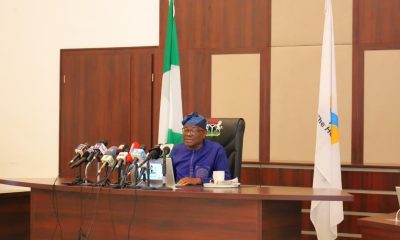

Wike orders ‘no work, no pay’ as FCT strike deepens, accuses NLC of politics … says teachers’ demands already resolved, directs area councils to enforce policy against striking
By Our Correspondent In an affort to force FCT workers on strike end the ongoing strike ,Minister of the Federal...
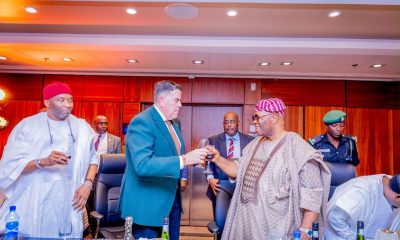

Milton Dick Elected President of the IPU Assembly
By Our Correspondent Mr Milton Dick, Speaker of Australia’s House of Representatives, has been elected as the President of the...
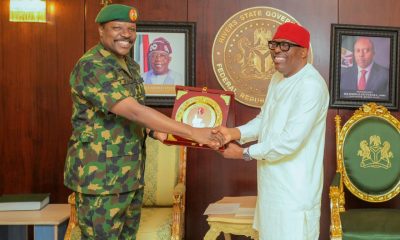

Fubara Reaffirms Partnership with Army -Lauds Establishment of New Brigade in Ahoada
By George Mgbeleke Governor of Rivers State, His Excellency, Sir Siminalayi Fubara, has assured the Nigerian Army of his administration’s...
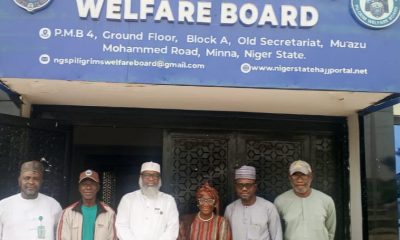

NSPWB Executive Sec.stresses Board’s readiness to support Christains, Muslim Pilgrims in Niger state
BY UTHMAN BABA-NASEER,MINNA The Executive Secretary of the Niger State Pilgrims’Welfare Board,(NSPWB) Muhammed Awwal Aliyu,has reiterated the Board’s preparedness to...

Niger CJ Seeks mutual understanding between the Bar and Bench to enhance speedy dispensation of criminal, Civil Justice
By Uthman Baba-Naseer,Minna The Chief Judge of Niger State,Justice Halima Ibrahim Abdulmalik, has stressed the need for continued cordial and...

$1trn economy: NBTI showcases 298 Nigerian innovators to global investors
By Our Correspondent The National Board for Technology Incubation (NBTI) has showcased 298 Nigerian innovators from the 36 states and...


HURIWA Demands Answers Over Corps Members’ Release, Says Authorities Must Clarify Ransom Claims
By George Mbgeleke The Human Rights Writers Association of Nigeria (HURIWA) demands an urgent explanation from the Federal Government, the...

Tinubu’s Petrol Discount is a Loan To Nigerians-ADC
By George Mgbeleke The African Democratic Congress (ADC) has described the Tinubu administration’s proposed petrol price intervention as a loan...
-
 Politics1 year ago
Gov Okpebholo moves to end Cultism *Threatens action against leading cult groups *Vows to demolish more cult houses in Edo State
-
 Politics1 year ago
ASUU-NDU protest against FG loans, unpaid salaries,Non-Implementation of agreements …..says loans is generational slavery
-

 Business & Economy1 year ago
PC-NCG Issues Disclaimer on Purported Nigerian Coast Guard National Orientation Exercise In Anambra State
-
 Entertainment2 years ago
Jubilation galore as Parishioners of CKC Kurudu celebrate their cultural heritage ….FG should exploit our Cultural heritage to unite Nigerians-Rev Fr Dim
-

 Sports8 months ago
Bayelsa-born ex-football star’s son, Opuama donates spike shoes to Athletics Association
-

 General News2 years ago
Reps hold public hearing on FMC Ugwuaji Awkunanaw
-
 Law & Crime1 year ago
Legal practitioner raises alarm over threat to his life by CSP Muhammed Abdulkareem
-
 General News2 years ago
Celebration galore as UDA Successfully Elected New Exco ……I will digitalize processes that will raise UDA to greater height -Comr. Okejiri